




20251208124546.jpg)

As one of the most influential consumer groups today, Gen Z is dramatically reshaping the fashion industry.
Born between 1997 and the early 2010s, this generation moves through the world with a blend of digital fluency, social awareness, and unapologetic individuality that sets them apart from Millennials and Gen X.
Their growing economic power also signals their increasing influence in the fashion industry. Gen Z’s estimated spending currently equates to $360 billion in the US alone1. Additionally, their spending is anticipated to account for 25 to 30 per cent of all luxury purchases by 2030 as they become more financially independent.
While Millennials gravitated towards experiences and curated aesthetics, Gen Z embraces imperfection and self- expression. They shop with intention, favouring brands that stand for something—not just sell something—and expect authenticity, transparency, and inclusivity at every touchpoint.
Unlike Gen X, who built their wardrobes around status and consistency, Gen Z thrives on experimentation and reinvention. One day, it is vintage cargo pants and Y2K nostalgia; the next, it is minimalist tailoring or a sustainable capsule wardrobe. Their buying behaviour blurs the lines between online and offline, merging TikTok-fuelled discovery with thrift store treasure hunts and resale app flips.
This article examines the evolving landscape of Gen Z fashion, exploring how their values regarding sustainability, inclusivity, and digital connection are transforming the way clothes are designed, marketed, and consumed. From the rise of circular fashion and AI-powered personalisation to the growing demand for brand accountability, we will look at how retailers and designers are evolving to keep pace with a generation that refuses to follow old-fashioned ways and is creating their own.
Understanding Gen Z’s Fashion Priorities
The Rise of Ethical Fashion
Gen Z has several fashion priorities that are reshaping the fashion industry. One of the key concerns for Gen Z is the environment. According to a study covering 10 countries in The Lancet, around 70 per cent of people aged 16-25 are deeply concerned about climate change. With environmental concerns being so important, Gen Z is prioritising sustainability when it comes to fashion and expects brands to take real action, and not just make claims.
They are more likely to support brands that align with their values, including social responsibility, environmental, and ethical beliefs, rather than simply following trends and celebrity endorsements. When purchasing products, Gen Z consumers seek out brands that utilise eco-friendly materials, have transparent sourcing practices, and employ circular fashion practices that minimise waste. Many shoppers are also willing to pay more money for ethically made clothing that aligns with their values.
Gen Z is also holding fast fashion brands more accountable for their negative environmental impacts. Many Gen Z consumers are willing to spend more on ethically made clothing if it aligns with their values or supports thrift and resale markets such as Poshmark and Depop. This generation views fashion as a reflection of personal and social responsibility, pushing brands to prove their commitment to both people and the planet. Fair wages, safe working conditions, and honest supply chains are also crucial for Gen Z.
Individuality and Self-Expression
Gen Z is also focused on individuality and self-expression when it comes to fashion. They have an ever-changing style, enjoy expressive clothes, and want to stand out rather than fit in.2
Innovative designs, customisable pieces, and brands that prioritise creativity over mass production are strongly resonating with Gen Z consumers. Gen Zers also enjoy the thrill of hunting for creative and eclectic items at thrift stores. Both ’90s and Y2K-style clothes have seen a significant comeback, thanks to Gen Z.3
Streetwear and casual, expressive styling also dominate, blending comfort without compromising style. Gen Z’s willingness to experiment with colour, layering, and vintage-inspired looks has made personal style a form of storytelling. For Gen Z, authenticity is key, wearing clothes that reflect who they are, not what is simply trending.
Inclusivity and Diversity
Inclusivity and diversity are another defining pillar of Gen Z’s fashion preferences. As society’s most diverse generation yet, Gen Z demands to see representation across all aspects of diversity, including race, body type, gender, and ability. Fashion campaigns that feature real people and authentic stories resonate more strongly with many Gen Z consumers than glossy photoshopped advertisements. For representation, Gen Z also wants to see companies actively creating workplaces that are truly diverse and fair. Socially conscious brands with strong customer relationships resonate well with this demographic.
Immersive Digital Experiences
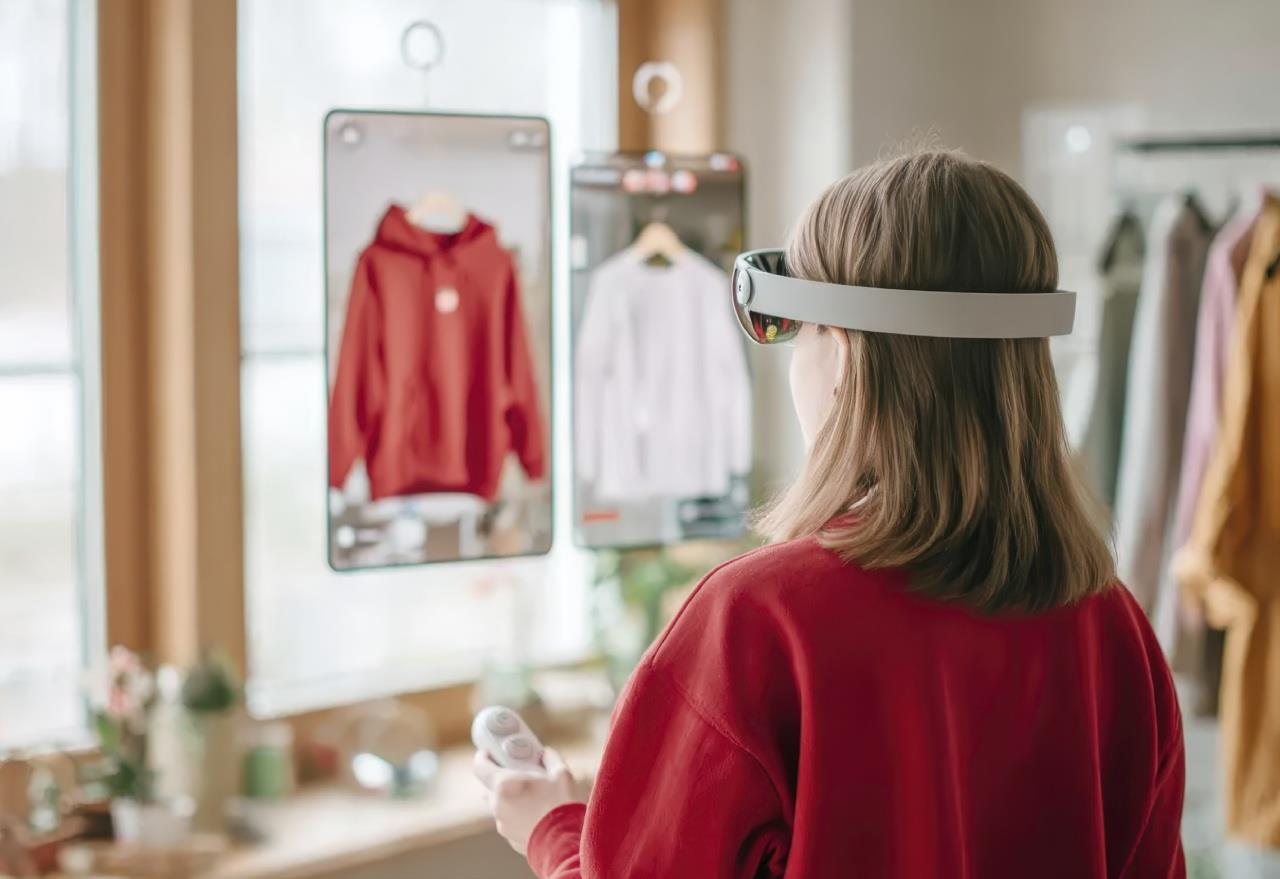
Augmented reality lenses and virtual try-ons are another driving force behind Gen Z’s fashion priorities. Implementing these technologies is a digital form of experiential marketing that is ideal for consumers seeking to create immersive and memorable shopping experiences.
Brands like Gucci have leveraged immersive digital experiences for years. Its mobile app utilises AR to decorate spaces and virtually try on eyewear, sneakers, masks, makeup, and more. Nike created the ‘Nike Fit’ tool and shoe try-ons via AR to help customers with sizing and visualisation, which ultimately reduces returns and provides more confidence for buyers.
The social media site Snapchat has also been an instrumental player in providing immersive digital experiences for its users. Its catalogue-powered shopping lenses give brands the ability to use AR at scale. This technology enables users to view multiple products from a catalogue in a single lens, complete with real-time pricing, colour, and sizing updates. When brands update their catalogues, the lenses automatically reflect the latest information.
Fashion brands like Zara have introduced AR experiences in more than 120 stores, where customers can point their phones at mannequins, displays, or delivery boxes to see the outfits come to life on virtual models. The brand also piloted virtual fitting rooms with smart mirrors.
Meanwhile, Farfetch utilises AR through its ‘Wanna’ platform to offer virtual try-ons for luxury accessories, including shoes, watches, and jewellery. Its ‘Store of the Future’ concept blends technology with personal styling, allowing shoppers to scan products, try them virtually, and interact with style advisors. Farfetch’s AR try-on features are succeeding. The company saw a 47 per cent increase in visits and a 22 per cent jump in “add to bag” actions compared to non-AR listings.4
Through these innovations, brands are creating fresh, engaging experiences that keep Gen Z coming back and wanting more.
Social Media and Influencer Marketing
While millennials grew up adapting to the digital world, Gen Z was born into it. They are the true digital nomads who are persistently online and heavily influenced by online culture.
According to a recent study from Vogue Business, seventy-one per cent of female Gen Z consumers use social media for fashion and styling inspiration, with 53 per cent following fashion content and 50 per cent seeking beauty tips.5
Social media is the heartbeat of Gen Z’s fashion influence. They turn to digital platforms for inspiration, trends, and shopping recommendations. Thirty-seven percent of respondents cite social media as their primary source for discovering new brands and products, making it the top channel for awareness and reach. Word-of-mouth recommendations from family and friends follow at 26 per cent, while shopping mall discoveries sit at 22 per cent.6
TikTok plays a major role in shaping Gen Z’s style preferences through viral fashion trends, haul videos, and “Get Ready With Me” (GRWM) content. It has become one of the most powerful platforms for fashion marketing, where trends can go global in a matter of hours.
Influencer marketing remains a key driver of engagement, particularly among women who follow fashion, beauty, and lifestyle creators. Men tend to prefer gaming and sports influencers, while interest in fashion models and music artists remains balanced across genders. Unlike millennials, who often respond to celebrity endorsements, Gen Z values authenticity and trusts micro-influencers with smaller but loyal audiences. They also utilise social media as a platform for activism, promoting ethical movements such as #WhoMadeMyClothes and #SustainableFashion to hold brands accountable for their environmental and labour practices.
How are Fashion Brands Adapting
With Gen Z’s shift in buying trends, it is imperative for brands to adapt accordingly, and they are rapidly evolving to meet the needs of young consumers. To stay ahead, companies are combining sustainability with technology and storytelling that feels authentic and personal, making it suitable for the Gen Z audience.
For instance, to meet the requirements of environmental and social responsibility, major retailers like H&M and Zara have focused on creating eco-friendly products. H&M’s Conscious Collection and Join Life by Zara address these environmental challenges by integrating eco-friendly materials and transparent supply chains into their models. Independent brands are taking it a step further with ethical sourcing, circular design, and small-batch production. Brands that openly discuss their sustainability goals and progress are becoming increasingly essential to younger generations. Brands are also gaining credibility through transparency rather than perfection, and simply producing styles that are trending.
As technology remains crucial in society and is integrated into everyday life, brands continue to seek innovative experiences that keep consumers engaged. The fashion industry, in particular, is leaning into Web3 Innovations like NFTs, digital wearables, and phygital products—physical items paired with digital twins—to merge virtual and real-world experiences.
Tokenisation is another digital technology that enables customers to maintain proof of authenticity and traceability for luxury goods, while also opening the door to personalised, high-touch experiences online. For brands, this technology offers an additional revenue stream while appealing to younger, tech-driven audiences who value innovation as much as aesthetics. The global digital fashion market, valued at around $101 billion in 2024, is expected to triple by 2032, indicating that virtual fashion and digital collectibles are becoming mainstream elements of brand strategy, rather than experiments.
Luxury brands like Hublot, Prada, and Louis Vuitton have also successfully integrated these concepts into their business models. For instance, Prada’s Timecapsule NFT series takes a community-driven approach, offering limited-edition drops that blend digital and physical ownership. Louis Vuitton’s VIA Treasure Trunk NFTs, meanwhile, take exclusivity a step further by being non-transferable, directly tying ownership to the buyer’s identity and granting access to future collectible releases.
Brands that implement technology will also continue to advance in personalisation. AI-powered recommendation systems and custom design features enable shoppers to tailor clothing to their preferences, fostering a sense of ownership and identity.
Collaborations also continue to fuel excitement and brand loyalty. Partnerships such as Adidas × Gucci and Supreme × The North Face turn product drops into cultural events. Meanwhile, smaller collaborations with micro-influencers help brands build trust and connect with niche audiences where authenticity carries more weight than celebrity endorsements.
Challenges and Opportunities
Navigating the ever-evolving fashion landscape for Gen Z consumers presents numerous challenges for retailers and manufacturers. For instance, Gen Z’s expectations for immersive digital experiences present hurdles for fashion companies. However, implementing and maintaining these digital features takes time and resources. Big-name fashion brands like Gucci and Nike have successfully integrated AR tools and virtual try-ons; however, smaller brands may struggle to match this level of digital immersion.
Additionally, brands can leverage targeting tools to enhance personalisation, such as Snapchat’s Predefined and Custom Audiences, which allow marketers to reach users based on demographics and interests. In January 2025, Snapchat tested its updated interface, which brings content recommendations closer to users through just three tabs: camera, chat, and a personalised “for you” feed, making it easier for brands to deliver tailored shopping experiences that resonate with Gen Z consumers.7
Gen Z’s rapidly changing fashion taste can also be challenging for brands, mainly due to social media. Because platforms like TikTok, Instagram, and Snapchat shape trends in real time, fashion companies must promptly produce authentic, short-form content and collaborate with micro-influencers to stay relevant.
Another major challenge is authenticity and transparency. Gen Z can spot insincerity instantly and hold brands accountable for their promises. They value ethical practices, sustainability, and social responsibility, scrutinising brands for their impact on society and the environment. Retailers must ensure that sourcing, production, marketing, and product offerings all align with these values. Zara and H&M, for example, have invested in sustainable collections and transparent supply chains, but meeting these expectations requires significant operational changes.
Meeting Gen Z’s challenges can be daunting; however, it also presents bold opportunities for growth and differentiation from the competition. For example, retailers and CPG (consumer packaged goods) manufacturers strategically engaging with Gen Z’s preferences offer enormous opportunities across multiple shopping channels. Because this generation shops across digital and physical spaces, they expect every interaction to feel consistent and connected. For a brand’s journey to be successful, its e-commerce, in-store displays, and promotions must work successfully together. Social media drives much of Gen Z’s discovery, with TikTok, Instagram, and YouTube at the forefront. These globally popular social media sites shape their purchasing decisions, and peer reviews and influencers influence their choices. Brands that authentically create interactive and personalised experiences will drive both online and in-store traffic.
Private-label products also represent another powerful opportunity for fashion brands and retailers. Once seen as a lower-cost alternative, these labels now hold real appeal for Gen Z, with 67 per cent of this generation rating it as equal to national brands.8
Aligning private-label offerings with Gen Z priorities such as sustainability, ethical sourcing, and health-conscious choices further strengthens the connection. Using organic materials, eco-friendly packaging, and fair-trade practices transforms products from mere functional items into shared values that resonate with Gen Z customers.
Future Outlook
In the future, Gen Z will continue to rewire the fashion industry. They demand more than style, and their influence is steering the industry towards an era of authenticity, inclusivity, and sustainability.
In the years to come, fashion brands will continue to merge the physical and digital worlds at a higher rate. Innovative tech features such as AI-driven customisation, AR fitting rooms, and personalised “for you” shopping feeds will become the norm.
Brands like Gucci and Nike are already leading the way with their immersive technologies. Social media sites like Snapchat are refining their targeting tools to deliver hyper-personalised experiences. Yet, even in a fast-paced digital world and with instant gratification, Gen Z consumers still yearn for authenticity. They are quick to notice inauthentic and performative stunts with sustainability and diversity. However, authentic and honest brands like Patagonia, which champions repair and reuse, and PANGAIA, which leads the way in biodegradable innovation, receive praise from consumers.
Resale and circular fashion growth will also continue to rise as sustainability remains a top concern for Gen Z consumers. Resale sites like Depop and Poshmark are becoming essential platforms for Gen Z shoppers and are expected to continue seeing an increase in online engagement.
In short, the next decade of fashion will be shaped by Gen Z’s insistence that fashion reflect their values, tell real stories, and design a future that is sustainable and expressive, rather than simply chasing trends.

 (1)20251211140147.jpg)


Comments