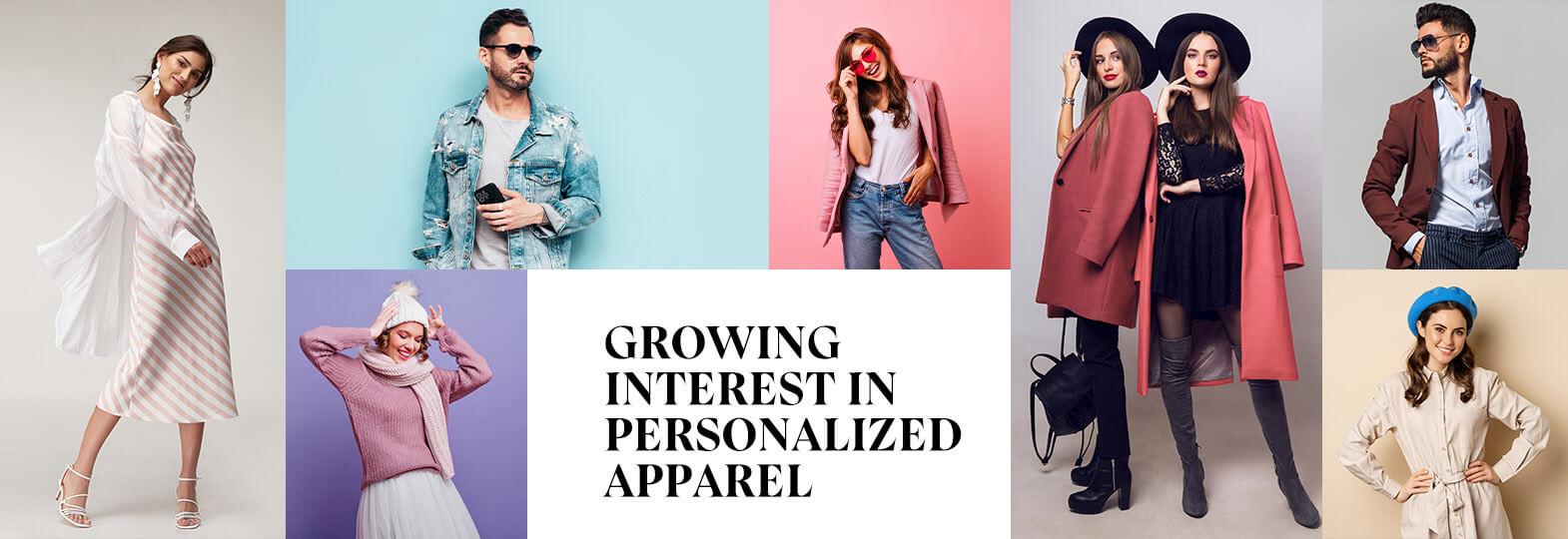
In recent years, personalized apparel has grown tremendously in popularity as consumers seek exclusive clothing expressing personal style and identity. This trend is transforming the textile sector, impacting everything from production processes to supply chain logistics.
Eco-friendly material developments are also empowering brands to create more personalized items. As customers demand more personalization, the industry has both challenges and opportunities to contend with. Below we discuss the increasing demand for personalized clothing, analyzing its implications for the textile industry.
Factors Driving the Growth of Personalized Apparel
• Uniqueness: Customers are increasingly looking for unique clothing that helps them stand out from the crowd.
• Social Media: Customers are incentivized by social media influencers, acting as
fashion industry experts, who encourage followers to embrace a more unique style.
• Sustainability: Made-to-order fashion and specially designed clothes reduce waste, thus helping the fashion world as a whole take a step towards sustainability.
• Corporate and Educational Sector Demand: Companies order personalized uniforms for their employees, especially those working in factories and manufacturing. Similarly, schools are a big part of the consumer base, buying customized uniforms for students.
• Personalized Gifts: Through personalized clothes, gift-givers are making gifts more intimate.
• Cultural Fashion: Personalized ethnic fashion is in vogue as customers are inclined towards representing their cultural identity in a unique fashion.
Impact on Textile Production and Manufacturing
The textile manufacturing industry is rife with overproduction problems. This leads to increased waste, negatively impacting the environment. Mass production and overstocking can also lead to financial problems for manufacturers.
On-demand manufacturing of clothes curtails these problems. By manufacturing clothes according to orders, textile manufacturers can avoid overproduction and overstocking problems, also helping them lessen their environmental footprint.
Personalized Apparel in the Fast Fashion Era
In many ways, personalized fashion runs counter to fast fashion. While fast fashion is produced in bulk and has a quick turnaround time, personalized apparel is produced meticulously. While fast fashion is cost-effective, personalized fashion is often synonymous with luxury fashion.
Another key point of divergence is the environmental impact. Fast fashion, being mass-produced and delivered from factory to stores quickly, is detrimental to the environment. On the other hand, personalized apparel harbors slow production, reducing waste and leading to optimal employment of resources.
Fast fashion is a big industry. For instance, 40 per cent of US consumers and 26 per cent of UK consumers shopped at fast fashion giants Shein or Temu in 2023. (source) By comparison, the demand for personalized fashion is more modest.
However, consumers are becoming more conscious of fast fashion’s ill-effects, unsustainability and unfair labor practices among them. In addition, regulations are also being put in place or being discussed concerning fast fashion, with France already having a law in place. Hence, producers are advised to move away from fast fashion and embrace on-demand apparel making.
Role of E-Commerce in Personalized Apparel
E-commerce has made personalized apparel shopping much more palatable for customers. Through e-commerce websites, brands can create the look they want virtually. Through technology like virtual showrooms, VR & AR, and AI, customers are able to personalize their outfit according to their specifications.
Renowned brands are offering apparel personalization services on their websites. For instance, Ralph Lauren allows customers to create their own embroidery pattern on the brand’s polo shirts through their website. Customers can also design their own sweaters, right down to choosing the color and sleeve designs.
Challenges and Limitations in Personalized Apparel
• Personalized apparel is associated with luxury fashion and thus it is often out of the buying range of middle and low-income consumers. Requiring concentrated production and a lot of time, custom clothing requires a pretty penny and is not affordable for a significant part of the consumer base.
• There is always a risk of the clothes not turning out the way the customer had intended. This can lead to loss of trust among consumers and a decline in brand loyalty.
• Fast fashion continues to hold considerable space in the market and customers accustomed to it may not be intrigued by slow, personalized fashion.
Conclusion
Customers are increasingly on the hunt for clothes that suit their personal style. Instead of brand-mandated clothes, fashionistas are turning towards styling clothes themselves to stand out.
Brands like Rio Tasso and Bombay Shirt Company are two well-known players in the custom-made clothes zone. Meanwhile, Michael Strahan has also recently launched a website for made-to-order suits. Hence, we can see more and more brands are veering towards the personalized fashion course.
Head on over to Fibre2Fashion’s interviews page. Here, you can learn about some of the exciting developments regarding personalized fashion as well as the personalities behind custom clothing brands.
For instance, the interview with The Pant Project creative director Udit Toshniwal outlines the organization’s goals as well as its vision for the future of the custom clothing industry. Meanwhile, the interview with FUSH CEO Andrija Šajkaš highlights the company’s commitment to sustainability and ethical textile production.
Hence, perusing Fibre2Fashion’s interview section can help you learn of diverse brands in the personalized apparel sector. For brands too, securing an interview with Fibre2Fashion can help them reach new customers.