Connecting the World’s Makers for a More Responsible Future
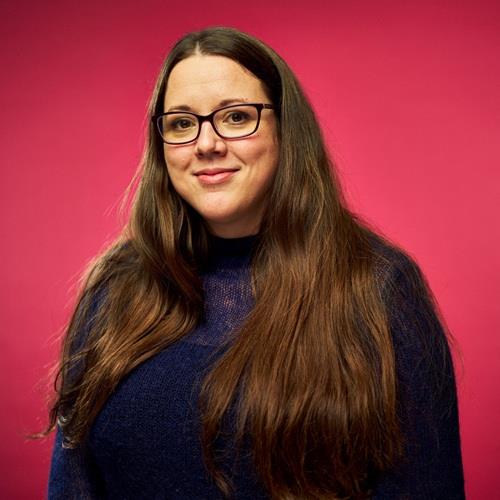
As Europe’s leading sustainable sourcing show, Source Fashion connects global manufacturers with retailers and designers committed to responsible sourcing. Ahead of its January 2026 edition in London, Suzanne Ellingham, Event Director, shares with Fibre2Fashion insights into how the event continues to champion ethical sourcing, innovation, and meaningful industry connections.
Source Fashion has become a key platform in Europe for responsible fashion sourcing. How has the event evolved since its inception, and what can we expect from the upcoming January 2026 edition in London?
What has been really refreshing since we launched three years ago is the incredible response from our buying community. The secret to our growth is not rocket science. We created a platform that the industry genuinely needed, and they have embraced it as their own. Our ethos from the beginning was about challenging retailers and buyers to do better business, to source responsibly and build stronger, more transparent supply chains.
It might sound simple, but bringing together audited, high-quality manufacturers with buyers who truly want to buy better has had a huge impact. Visitors value being able to create their ranges with manufacturers from all over the world, knowing they are getting newness, quality, and security.
As we move into January 2026, Source Fashion has grown to become Europe’s largest manufacturing show connecting buyers, retailers, and sourcing heads with exceptional global producers. We will be welcoming new country pavilions from around the world and adding a renewed sense of energy and fun, creating a space where the industry can focus on what really matters: relationships and responsible business.
The tagline ‘From field to fashion, responsibly sourced’ beautifully captures the show’s ethos. How does Source Fashion translate this vision into tangible outcomes for exhibitors and buyers?
At its heart, ‘From field to fashion, responsibly sourced’ is all about transparency, understanding how things are made, where they come from, and the conditions of the people who make them. For retailers and sourcing teams, knowing that their products have been created ethically, that workers are paid a living wage and materials are genuinely what they are claimed to be, is vital.
Fashion supply chains are incredibly complex, and many people underestimate just how many hands and processes are involved. At Source Fashion, we work closely with every manufacturer and export agency to ensure that all factories exhibiting have good working practices and are open about their processes.
That openness allows our buyers to source with confidence, to truly know the journey of their product from the field to the shop floor. It is an ethos we live by, and it is what makes Source Fashion a trusted and safe buying space for the industry.
How do you define ‘responsibility’ in the current sourcing landscape, and how is Source Fashion helping to reshape global sourcing mindsets around ethics and transparency?
Defining responsibility in today’s sourcing landscape is not simple, and we actually struggled with the language around sustainability and responsibility in our first year. For us, responsible sourcing means that everyone involved in the process behaves with accountability and integrity. No supply chain is perfect, but when the people managing it take ownership of their part, issues can be addressed collectively and transparently.
Ultimately, responsibility is about making better choices. It is about recognising challenges within your supply chain and taking action to improve them. Unlike the narrower focus of sustainability, which often centres on carbon or environmental metrics, responsible sourcing considers the entire process, from start to finish, ensuring that everyone involved takes accountability.
At Source Fashion, we are helping to shift mindsets by connecting good businesses with other good businesses, those committed to ethical practices, transparency, and fair working conditions. By highlighting responsible manufacturers and giving buyers genuine options for where to spend their money, we are showing that responsible sourcing can also drive real, positive impact.
What are some of the key highlights, new features, or focus areas that visitors can look forward to in the upcoming edition?
For January 2026, the real excitement lies in who is on the show floor. We have some incredible new country pavilions joining us, including Sri Lanka, Bangladesh, and Kenya, alongside our established manufacturing powerhouses from India and China. And for the first time, we will also be showcasing a dedicated British Heritage Pavilion, celebrating the craftsmanship and creativity of UK manufacturing, which I know our visitors will love. The variety this year is outstanding, there is virtually nothing that cannot be made by the manufacturers exhibiting at Source Fashion.
We are also investing heavily in our show features. Beyond our much-loved catwalk, we are introducing a brand-new area called ‘Fashion Deconstructed.’ This immersive zone is designed to help buyers really understand how clothes are made and what good construction looks like. It will feature live machinists, screen printing, upcycling workshops, and fabric testing, all hands-on experiences that bring sourcing to life. Because ultimately, when buyers can see and feel what quality looks like, they understand the true value behind every garment.
How does Source Fashion support small and medium manufacturers and facilitate meaningful, long-term connections between manufacturers and global buyers?
Source Fashion has always championed small and medium manufacturers. Our show is designed for makers and manufacturers of every scale—from artisans to volume producers. Buyers come to Source Fashion looking for both high-end craftsmanship and scalable production, and we make sure everyone has the opportunity to connect.
This year, we have invested in new technology to make those connections even more meaningful. Our new event app allows exhibitors and visitors to plan ahead. Exhibitors can reach out to registered buyers before the show to arrange meetings, which is a huge advantage, especially for smaller manufacturers. If you are a business with just a handful of key targets, we will help you open those doors.
We also run sessions specifically for SMEs on how to do business in the UK, understanding who the major retailers are, how they buy, and what the sales cycle looks like. It is all about preparation and empowerment.
Ultimately, we see Source Fashion as the gateway to European retail. With a show floor full of leading buyers and sourcing heads, there is truly no other event in Europe where manufacturers, large or small, have such direct access to these opportunities.
Sustainability continues to be at the heart of Source Fashion. How do you ensure that participating exhibitors align with ethical, fair-trade, and environmentally responsible practices?
Sustainability and responsible sourcing are central to everything we do at Source Fashion. To exhibit, manufacturers must hold a Sedex audit or a Beta audit, which is not optional. Without these certifications, not only should they not be on our show floor, but they also would not be able to do business with major UK retailers like John Lewis or Next.
Our role is partly advisory. We guide manufacturers on the certifications and standards they need to demonstrate that they are a responsible factory with ethical practices. This ensures that all exhibitors are aligned with fair-trade and environmentally responsible practices, but it also prepares them to legally and practically succeed in global retail.
For us, sustainability is not just a ‘nice to have’; it is a business imperative. By requiring these standards, we create a show floor where buyers and manufacturers can connect confidently, knowing that every participant meets the ethical and regulatory benchmarks that the industry demands.
How is the show addressing circularity, traceability, and material innovation within the global supply chain?
We approach circularity, traceability, and material innovation as three interconnected priorities. On circularity, Source Fashion has always promoted best practices, highlighting both successes and challenges. One of the new formats we brought to the show last year was, Source Debates, which encourages open discussion on designing for circularity and tackling obstacles in the circular economy. In addition, new for this show, the Fashion Deconstructed zone will give buyers hands-on insight into durable construction and garment longevity, showing how thoughtful design can extend a product’s lifecycle.
When it comes to material innovation, it is not just about new fabrics such as cactus, pineapple, or apple leather—many of these alternatives are still not commercially viable. Instead, the focus is on educating buyers about material mixes and helping them make design choices that enhance recyclability and durability. Even small decisions, such as reducing man-made fibres in a blend, can make a significant difference to circularity.
Traceability is equally important. We collaborate with technology providers to educate visitors about tools such as digital product passports, which enable full transparency throughout the supply chain. Ultimately, traceability flows naturally when working with certified, responsible manufacturers—transparency and accountability are built into the process. At Source Fashion, education underpins all three areas, empowering buyers to make informed and responsible sourcing decisions.
Could you tell us more about initiatives like The Source Catwalk and how they promote sustainable style and storytelling on stage?
One thing we noticed about traditional manufacturing shows is that they rarely give manufacturers the chance to bring their products to life. Many of our exhibitors produce for luxury and couture labels, or want to, and we wanted to create an opportunity to showcase their craftsmanship. The catwalk also allows manufacturers to create collections aligned with trends and mood boards to truly tell a story through their ranges.
We have also collaborated with fantastic designers to headline the catwalk, we have worked with designers like Sarah Regensburger, Patrick McDowell, and Stuart Trevor, all of whom place sustainability at the heart of their practice, from vegan fashion to upcycling waste into new collections.
Our ultimate aim is to show that sustainable fashion is commercially viable. By presenting high-quality, trend-aligned designs on a professional catwalk, we inspire buyers to see sustainable fashion not as niche, but as business as usual. The storytelling on the catwalk helps convey the potential and creativity of responsible sourcing while highlighting the exceptional craftsmanship of our manufacturers.
The seminars and debate sessions are a major draw. What topics will take centre stage this year, how do they reflect the evolving needs of the industry and how important is this education?
Source Fashion has always offered a world-leading, free-to-attend content agenda. Our goal is to connect people not just with exhibitors, but with industry leaders who are approaching sourcing and fashion differently, sharing insights that can inspire better processes and smarter business decisions.
We do not shy away from the difficult topics. Our seminars and debates cover volatility, sustainability, legislation, commodities, and circularity. Importantly, we focus on honest knowledge sharing, highlighting the bumps in the road, not just the successes. That transparency helps attendees learn and apply practical solutions in their own businesses.
Looking ahead to 2026, we will continue these themes while also exploring storytelling in fashion, helping retailers humanise the supply chain for consumers. Fashion is still very much a human-driven industry and showing that can justify better price points and support manufacturers who provide fair living standards. Education remains at the heart of Source Fashion because it is how we empower buyers to make responsible, informed, and impactful sourcing decisions.
In what ways do you see the sourcing landscape changing in recent times, and how is Source Fashion adapting to those shifts?
One of the biggest conversations in sourcing right now is nearshoring and de-risking supply chains. Historically, 60–70 per cent of fashion has been produced in China, which remains a hub of manufacturing excellence. But the last few years—from COVID disruptions to rising costs—have pushed retailers to diversify their sourcing portfolios.
We are seeing volume buyers still sourcing from China and India, but increasingly looking to Türkiye, North Africa, and parts of Europe. The shift would not happen overnight, but over the next five to ten years, retailers will gradually bring production closer to home, driven by supply chain visibility and consumer pressure.
Another significant change is in volume buying. Large orders of 10,000 units are becoming less common, as waste and unsold stock remain huge challenges. Smaller, more precise orders allow retailers to buy closer to home and adapt more flexibly to demand.
Source Fashion is adapting by offering buyers options from around 25– 30 countries, giving them the flexibility to source responsibly, in the right quantities, and from the right locations. Our goal is to support retailers through this evolving landscape, ensuring they can make smarter, more sustainable sourcing decisions.
Looking ahead, what is your broader vision for Source Fashion’s role in shaping the future of responsible sourcing globally?
Our broader vision for Source Fashion is really about connection and impact. By bringing the right buyers together with the right manufacturers, we can create meaningful change, not just in sourcing, but in communities around the world. A great example is Madagascar, where shifts in retailer buying, supported by education on tariffs and connecting buyers with ethical businesses, have made a tangible impact on local communities.
As we grow, we want to welcome more countries to the show floor, support more community programmes, and continue providing buyers with variety, newness, and trusted partners. Ultimately, our responsibility is to help businesses source better and more responsibly, ensuring that ethical and sustainable practices are at the heart of every transaction. By doing this consistently, we believe we can drive real, lasting change in the global fashion supply chain.