



20251208124546.jpg)

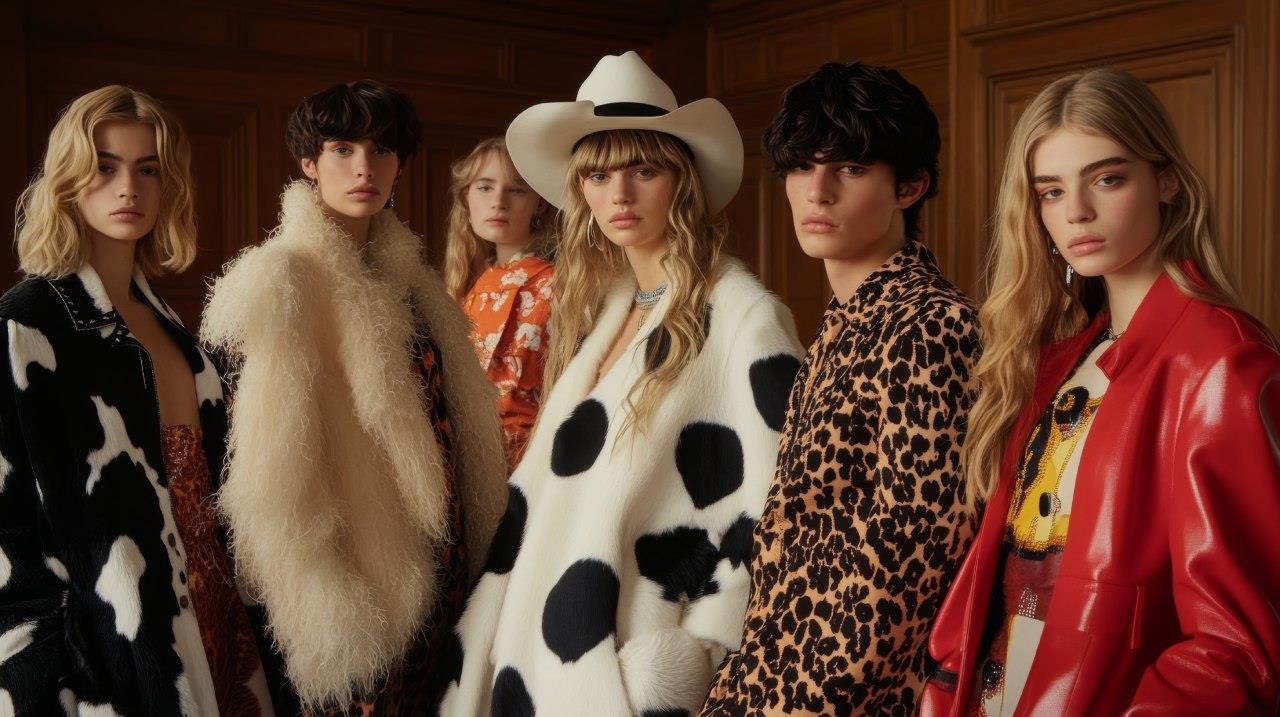

In the ever-evolving landscape of fashion, no generation has challenged and reshaped the idea of luxury quite like Gen Z. Born between the late 1990s and early 2010s, this digital-first generation has grown up in an era defined by constant technological innovation, social awareness, and global connectivity. Unlike previous generations who viewed luxury as a symbol of wealth and exclusivity, Gen Z approaches it with a mindset deeply rooted in purpose and personal expression.
For them, the concept of luxury extends far beyond the glossy advertisements or status-driven purchases that once dominated the industry. It is no longer about owning what others cannot afford. Instead, it is about owning what aligns with one’s identity and values. Luxury today must mean something. It must tell a story, uphold ethical practices, and connect emotionally with the wearer. This generation seeks transparency; they want to know where their clothes come from, who made them, and what impact their choices have on the planet.
Raised in the age of social media, Gen Z consumers are constantly exposed to trends, influencers, and brand narratives. Yet, paradoxically, they crave authenticity in an era of filters and fast fashion. They prefer brands that communicate honestly, celebrate diversity, and use their platform for positive change. A handcrafted piece by a small, ethical label can hold as much, if not more, value to them than a logo-laden designer product.
For Gen Z, a luxury purchase is not about belonging to an elite club but about self-expression and mindful consumption. It reflects their ethics, creativity, and individuality—a wearable declaration of who they are and what they stand for. In a world oversaturated with sameness and mass production, they are redefining luxury as a fusion of conscience and creativity, where the truest form of prestige lies not in how much one spends, but in how meaningfully one chooses to do so.
The Shift from Status to Substance
Traditionally, luxury fashion revolved around heritage, craftsmanship, and brand prestige. Owning a Chanel bag or a Gucci belt once symbolised wealth and social standing. But Gen Z, who grew up amid financial uncertainty and digital transparency, no longer view luxury through the same lens. They value the story behind a product—its craftsmanship, sustainability, and social impact—as much as, if not more than, its price tag.
For this generation, quiet luxury and limited-edition streetwear can coexist. A vintage Hermès scarf might share the same wardrobe as a hoodie from a niche designer. What defines luxury for them is meaning, whether that means supporting ethical production, championing gender-fluid fashion, or owning something rare and unique.
The Digital Lens: Where Luxury Meets the Screen
Gen Z’s relationship with luxury is deeply intertwined with technology. They discover brands not through glossy magazine advertisements but through TikTok reviews, Instagram reels, and behind-the-scenes content on YouTube. Virtual try-ons, digital fashion shows, and collaborations with gaming platforms like Roblox or Fortnite have made luxury more accessible, yet paradoxically, more exclusive in digital form.
Luxury houses that once guarded their imagery behind velvet ropes are now embracing digital democratisation. Gucci’s partnership with Roblox, Balenciaga’s virtual runway in the metaverse, and Prada’s interactive storytelling campaigns are testaments to this shift. For Gen Z, luxury is not confined to boutiques, but it is an experience that can happen anywhere, from a smartphone screen to a virtual world.
Sustainability as the New Luxury
If previous generations flaunted excess, Gen Z flaunts awareness. They are deeply conscious of climate change, waste, and overproduction, and they expect luxury brands to be as transparent as they are stylish. Sustainability is not an optional add-on anymore; it is a pre-requisite for relevance.
Brands like Stella McCartney, Gabriela Hearst, and Loewe are leading the way with circular design, biodegradable materials, and responsible sourcing. Meanwhile, the resale and rental markets have made pre-owned luxury not only acceptable but aspirational. For Gen Z, wearing something pre-loved is not second-hand; it is second-chance luxury.
Individuality Over Logos
The era of loud branding is fading. Gen Z gravitates towards quiet luxury, i.e., minimalist designs that speak through quality, cut, and texture rather than conspicuous logos. This aesthetic, exemplified by brands like The Row, Bottega Veneta, and Jil Sander, aligns with Gen Z’s preference for authenticity over showmanship.
At the same time, individuality is non-negotiable. Customisation, limited drops, and collaborations with local or independent creators appeal to this audience’s desire to stand out. A hand-painted jacket or a co-created sneaker is often valued more than a mass-produced luxury item.
Cultural Fluidity and Genderless Luxury
Gen Z’s cultural and gender fluidity has also disrupted traditional luxury codes. They reject rigid gender binaries in fashion, embracing silhouettes and accessories that transcend categories. Luxury brands have responded by creating inclusive campaigns and collections, such as Gucci’s MX and Balmain’s unisex tailoring that mirror this mindset.
For Gen Z, luxury is not about fitting into a mould but about having the freedom to define oneself outside of it.
The Future: Emotional and Ethical Value
As Gen Z becomes the dominant consumer force, the luxury market must continue evolving from exclusivity to empathy. The future of luxury lies in emotional connection—in garments that tell a story, stand for something, and make the wearer feel both seen and responsible.
In a way, Gen Z is bringing luxury full circle—back to its roots of artistry and integrity, but with modern consciousness. Their version of luxury is not louder or faster; it is smarter, slower, and infinitely more human.
 (1)20251211140147.jpg)


Comments