



20251208124546.jpg)


Introduction
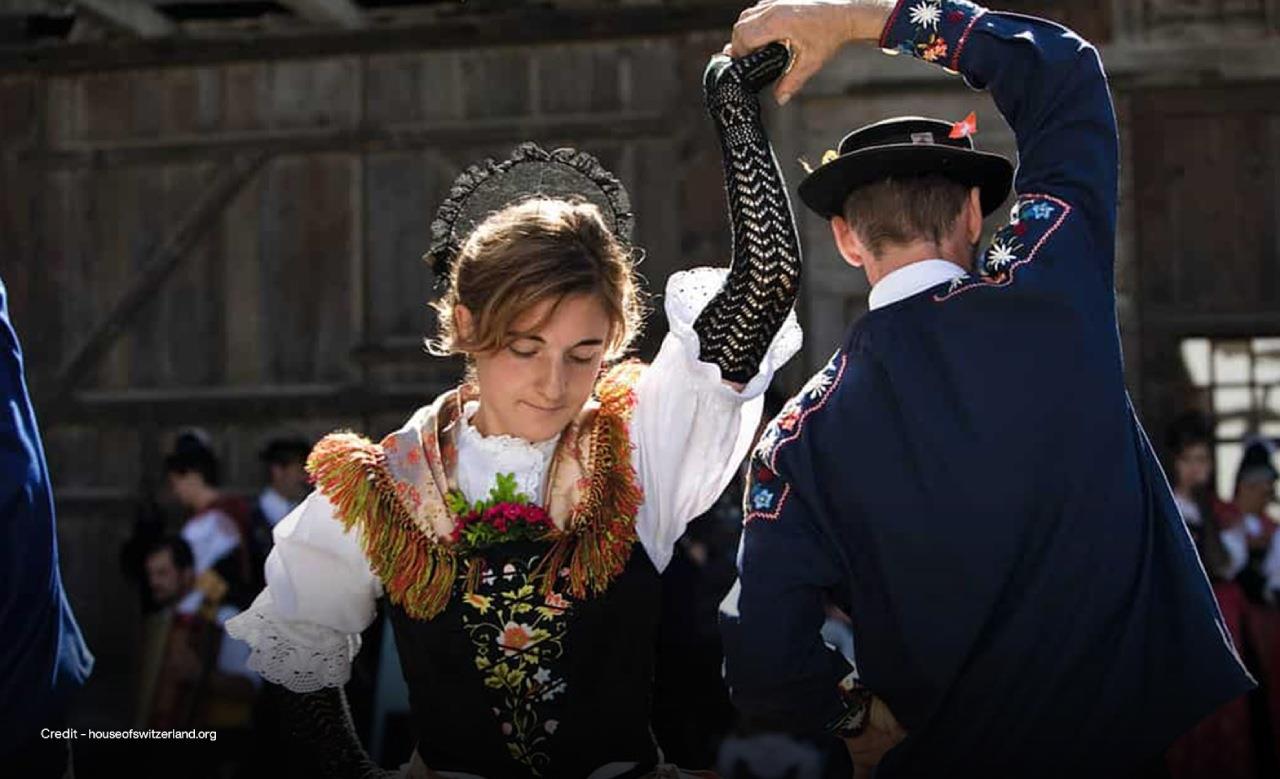
Swiss Tracht is an instant teleportation device to the past, wrapped in ribbons, embroidery, and alpine charm. When you see these traditional costumes, you can practically hear the cowbells, smell the mountain air, and imagine a lively folk band warming up in the village square.
Tracht developed over centuries, shaped by geography, local pride, and the Swiss flair for meticulous craftsmanship. In a land where each valley can feel like its own tiny kingdom, every detail of Tracht tells a story about the people who wore it.
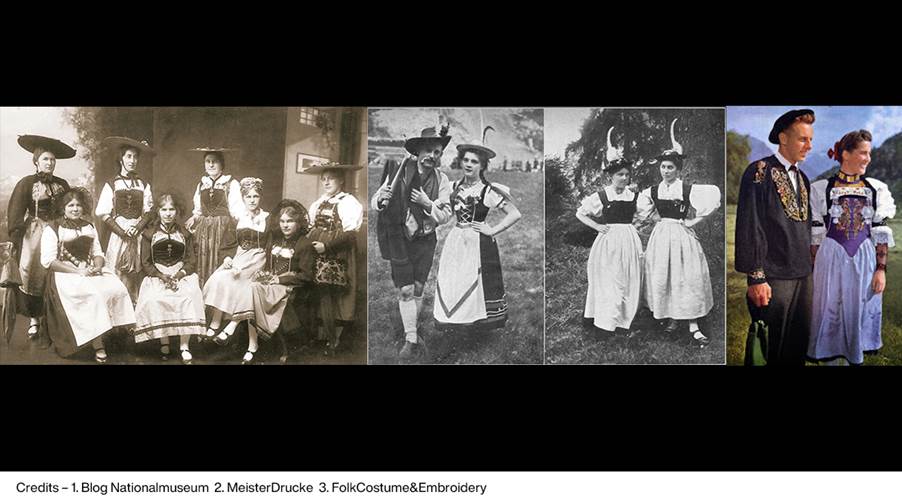 The origins of Swiss Tracht date back to medieval rural communities, where clothing wasn’t just a fashion choice but a social marker. Farmers, bakers, herders, and townsfolk all had subtle variations in their daily wear, and over time those practical outfits grew into more decorative and symbolic forms.
By the 17th and 18th centuries, many regions had firmly established distinct local styles not because they wanted to appear “traditional,” but because they simply loved the identity these garments created.
As industrialisation swept across Europe, many countries abandoned their folk wear for modern styles. Switzerland, however, kept Tracht close to its national heart. Rather than disappearing, Tracht became a proud ambassador of Swiss culture, worn at festivals, weddings, and community events. Instead of being tucked away into the nostalgic past, Tracht enjoyed a revival in the 19th century as Swiss nationalism blossomed.
Today, Swiss Tracht continues to sparkle in parades, folklore events, and heritage festivals. It’s not a museum piece; it’s a living costume with a heartbeat. And every time someone ties the laces of a bodice or buttons into a traditional vest, they are participating in an unbroken cultural chain that stretches back centuries.
Weaving Technique and Materials
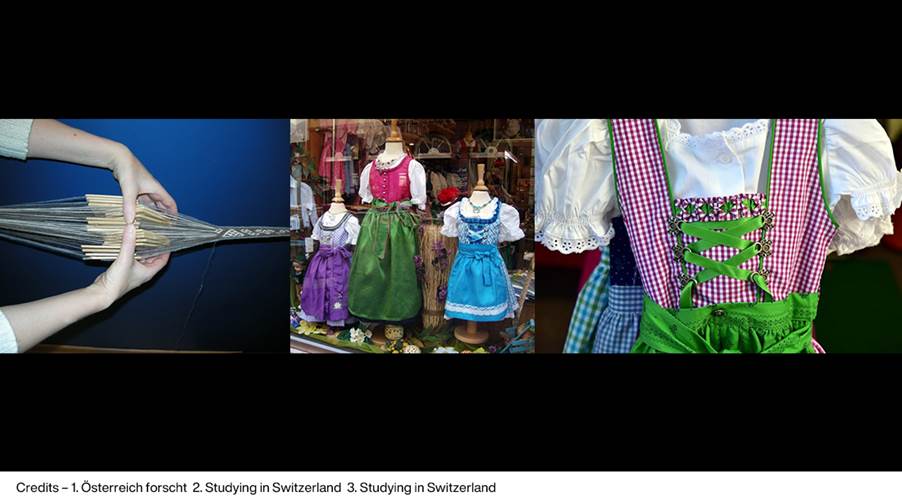 If someone has ever looked closely at a Swiss Tracht and thought, “That must have taken forever,” they would be absolutely right. These garments are marvels of textile craftsmanship. Traditional Tracht often begins with handwoven linen or wool, crafted on looms that require both patience and skill.
Many artisans still use regional weaving patterns that have been passed down through several generations, making each piece feel like a family secret stitched into fabric.
Embroidery is where Swiss Tracht really flexes its artistic muscles. Depending on the canton, one may find delicate whitework, bold floral motifs, or shimmering gold thread flourishing across aprons and bodices. These designs aren’t decorative fluff; they reflect alpine flowers, pastoral life, and local legends.
Creating these embroideries can take weeks, sometimes months, especially when metallic threads or silk details are involved. Leather, too, plays a big role, especially in men’s Tracht.
Traditional leather breeches or belts are often hand-tooled with patterns that echo the curves of mountain landscapes or stylised edelweiss blooms. The precision of these carvings is astonishing, and many craftsmen learn the technique from elders who treat leather like sacred parchment.
The materials have evolved over time, but the soul of Tracht craftsmanship hasn’t changed. Even modern Tracht blends traditional fibres with newer, more comfortable fabrics, but the dedication to quality remains. Wearing Swiss Tracht is like wrapping in the combined labour and love of dozens of skilled hands and it feels as luxurious as it sounds.
Cultural and Religious Relevance
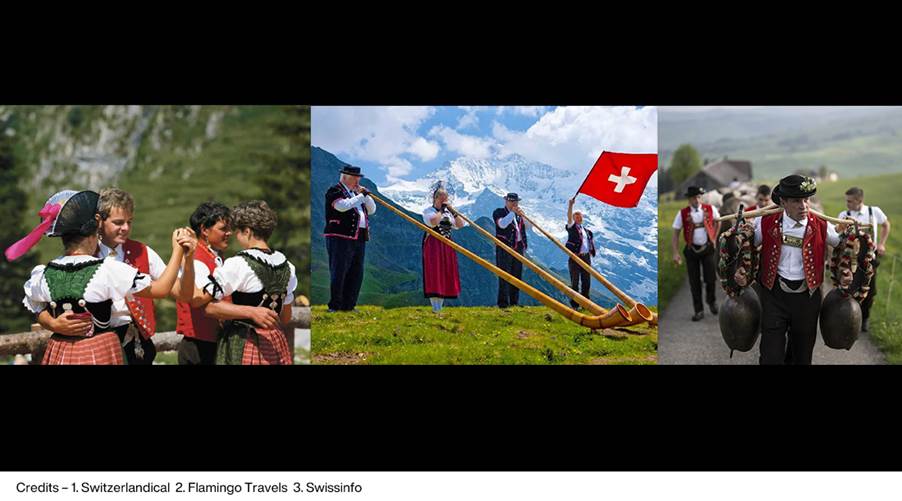 Swiss Tracht is deeply woven into the cultural identity of the country. In many regions, it historically acted as a visual form of identification, allowing others to recognise a person’s origin with just a glance at their clothing.
At festivals, different Trachten stood side by side like colourful flags of community pride, reinforcing a sense of belonging that transcended village borders. This visual diversity is one of the reasons why Switzerland feels like a mosaic rather than a melting pot.
Religion also carved its influence into Tracht design. In predominantly Catholic cantons, costumes tended to feature richer embroidery, elaborate jewellery, and ornate headwear symbolising blessings, abundance, and devotion. In Protestant regions, Tracht often leaned towards simplicity and modesty, reflecting the values promoted by the Reformation. The differences are subtle yet meaningful, like a quiet conversation between faith and fashion.
Tracht also plays an important role in life events. Some regions have specific wedding Trachten that rival royal regalia, complete with carefully preserved heirloom pieces passed down through families. Christening ceremonies, church festivals, and local processions frequently feature generations of families wearing coordinated regional attire. The clothing becomes a thread weaving together spiritual traditions with community life.
Even today, wearing Tracht can feel like joining an ancient ritual of connection. It signals respect for ancestors, affection for homeland, and pride in one’s heritage. Whether worn at a yodelling festival or during a national holiday, Tracht reminds both the wearer and the observer of the cultural heartbeat that unites Switzerland.
 Putting on a Swiss Tracht is nothing like slipping into jeans and a T-shirt; it’s a mini ceremony. Women’s Tracht typically begins with a white blouse featuring puffed sleeves or intricate lacework. Over it comes the iconic embroidered bodice, often tightened with decorative lacing or silver chains that glimmer subtly with movement. Next comes the skirt and apron duo, full, flowing, and made to swirl beautifully when dancing.
Men’s Tracht has its own flair. Depending on the region, it can include embroidered shirts, short leather breeches, or long wool trousers. A fitted vest usually decorated with bold colours or symbolic patterns sits proudly on top, while traditional jackets add an extra layer of elegance for formal occasions. Accessories like suspenders and embroidered belts complete the look.
Accessories are essential; not optional. Women often wear elaborate jewellery, sometimes featuring silver filigree that might have taken a month to craft. Hairpieces, bonnets, or lace caps vary by region and often have ceremonial significance. Men might add pocket watches, alpine hats, or even decorative knives (purely for style these days, of course).
Every piece has its place, and tradition dictates the order. Putting on Tracht becomes an act of participating in a timeless rhythm: one that slows the process, requires care and turns the wearer into a living storyteller. It’s no wonder people stand a little straighter and smile a little brighter when they are dressed in it.
 Swiss Tracht isn’t one costume; it’s dozens. Each canton proudly presents its own signature look, reflecting its landscapes and traditions. For example, Appenzell women’s Tracht is famous for its gleaming silver jewellery and striking black-and-red contrasts. Meanwhile, in Bern, feminine white blouses are paired with dark skirts and richly embroidered aprons, radiating elegance with every step.
In the canton of Lucerne, the women’s Tracht is iconic for its elaborate collars and impressive headdresses. In contrast, the Basel region favours more understated, form-fitting silhouettes with finely tailored bodices. The diversity is so vast that one could travel across Switzerland for weeks and never see two Trachten that look completely alike.
Men’s Tracht also varies dramatically. In the Engadin region, men often wear woollen trousers and richly decorated vests influenced by Romanesque patterns and mountain culture. Each variation feels like a visual passport to its specific region.
This variety isn’t just aesthetic; it reflects centuries of micro-cultures, migration patterns, and family traditions. Swiss Tracht is one of the few folk costumes in the world with such regional abundance. If Switzerland ever held a Tracht fashion show, it would need a very, very long runway.
Famous Artisans and Places
While Tracht is widespread, certain Swiss regions have become guardians of the craft. Appenzell stands out for producing exquisite silver jewellery and embroidered embellishments that are practically legendary. Small workshops here still use time-honoured techniques to craft belts, brooches, and bodice chains that collectors treasure like fine art.
In the Bernese Oberland, textile ateliers specialise in making traditional skirts and bodices using methods almost unchanged since the 1800s. Their dedication ensures that every pleat, every stitch, and every fold echo historical accuracy while accommodating modern comfort. Many of these family-run shops have been in business for generations.
Eastern Switzerland, especially the St. Gallen region, has long been associated with world-class embroidery. While the area is famous for haute couture lace, it’s also a backbone of Tracht embellishment. Workshops here craft delicate floral motifs and lace collars that elevate each costume from charming to spectacular.
Local museums and cultural centres across Switzerland often collaborate with artisans to preserve patterns and techniques. These places don’t just display old garments, but they actively teach, restore, and inspire. In many ways, they are the living archives of Swiss Tracht, ensuring that future generations can continue to wear these stories with pride.
 Spotting an authentic Swiss Tracht becomes easier once the key details are known.
- First, check the craftsmanship. Original Trachten feature high-quality materials, often handmade or woven using traditional methods. The embroidery should look crisp, detailed, and slightly textured; not printed or mass manufactured.
- Next, examine the regional accuracy. True Tracht follows specific patterns and colour schemes unique to each canton. If a costume mixes details from multiple regions, it’s likely a modern interpretation rather than an original. Authentic Tracht calls for consistency. Appenzell details belong in Appenzell, not in Zurich.
- Look for solid metal jewellery and accessories. Real Tracht pieces frequently use silver or finely worked metal, not cheap alloys. The weight of a genuine bodice chain or brooch gives it away instantly. Likewise, authentic leather pieces have depth and tooling marks that handcrafting naturally produces.
- Finally, consider the fit and structure. The original Tracht feels structured, substantial, and built to last. The stitching is impeccable, and the garment has a presence because it was made not for mass sales but for meaningful wear.
- When someone encounters true Tracht, they can feel the heritage, artistry and soul stitched into it.
 (1)20251211140147.jpg)


Comments