




20251208124546.jpg)

_Big.jpg "Bshutterstock_335123246 (1)")
Impact of E-Commerce on the Retail Industry
Here are some key points about the impact of e-commerce on the retail industry in India:
Affordable Prices: E-commerce companies often offer products at competitive prices, making them more affordable for consumers. This has led to increased price transparency and competition in the retail sector, benefiting consumers.
Festive Offers: Indian festivals like Diwali and Dussehra are significant for e-commerce players. They typically launch special sales events like Amazon’s “Indian Festival Offer” and Flipkart’s “Big Billion Days,” where consumers can avail of massive discounts and deals on a wide range of products.
Rural Engagement: Initiatives like Amazon’s plan to offer products produced by Self Help Groups (SHGs) from rural India are aimed at promoting rural entrepreneurship and empowering local communities. This not only benefits rural artisans but also helps e-commerce companies expand their product offerings.
Marketplace Platforms: E-commerce platforms offer a marketplace where sellers from various parts of the country can list their products, enabling them to reach a wider audience. This has been particularly beneficial for small and medium-sized businesses (SMBs) looking to expand their reach.
Discounted Rates: E-commerce companies often provide discounts and concessional rates on products, which attracts price-sensitive consumers. These discounts are not limited to just the festive season but are offered year-round.
Convenience: E-commerce platforms offer the convenience of shopping from the comfort of one’s home or on-the-go through mobile applications. This convenience factor has significantly contributed to the growth of online shopping in India.
Social Selling: E-commerce companies have tapped into social media platforms to expand their reach and engage with consumers. Social selling involves using platforms like Instagram, Facebook, and WhatsApp to promote and sell products directly to consumers.
Logistics and Delivery: E-commerce companies have invested heavily in building robust logistics and delivery networks, enabling them to reach even remote areas efficiently. This has been a crucial factor in their success.
Customer Reviews and Ratings: E-commerce platforms often provide customer reviews and ratings for products, helping shoppers make informed decisions. This transparency in product quality and customer feedback has improved the overall shopping experience.
Market Expansion: E-commerce has allowed companies to expand their market beyond traditional brick-and-mortar stores, reaching customers in both urban and rural areas across India.
In short, e-commerce players have revolutionised the retail industry in India by offering convenience, affordability, and a wide variety of products to consumers. They have also provided opportunities for businesses, including those in rural areas, to access a larger customer base. However, they have faced challenges related to regulatory and policy issues, which continue to evolve as the industry matures.
Top 10 products sold in E-Commerce Space1
It is interesting to note that clothing, cell phones, jewellery, beauty and personal care products, stationery and books, electronics, toys and games, baby care products, footwear, and home decor were among the top-selling products in India online in 2021. These categories represent a wide range of consumer interests and needs, and they have consistently been popular in the e-commerce space1.
These products are likely to trend strongly in the e-commerce landscape in the coming years too due to the following reasons:
Consumer Preferences: These product categories likely align with the preferences and needs of Indian consumers. Clothing and electronics have always been in high demand online due to their wide appeal.
E-commerce Growth: The sustained popularity of these product categories indicates the continued growth of e-commerce in India. Consumers are increasingly turning to online platforms for a variety of goods.
Market Dynamics: E-commerce companies and sellers may have continued to invest in and expand these product categories due to their profitability and high demand.
Seasonal Factors: Some of these categories, like clothing and home decor, may have seasonal variations that make them especially popular during certain times of the year.
Innovation and Marketing: Companies in these sectors may have introduced new products, designs, or marketing strategies that keep these categories trending.
COVID-19 Effect2
The COVID-19 pandemic has indeed brought about significant changes in consumer behaviour and spending habits. Here are some key points highlighting the impact of the pandemic on consumption patterns:
Rise of E-commerce: One of the most notable changes has been the rapid growth of e-commerce during the pandemic. As lockdowns and social distancing measures were implemented to curb the spread of the virus, more people turned to online shopping for their everyday needs. This led to a substantial increase in the share of e-commerce in total retail sales during 2020-2021.
Online Shopping: The convenience, safety, and accessibility of online shopping became even more apparent during the pandemic. Many consumers who were previously hesitant to shop online embraced e-commerce for everything from groceries to clothing and electronics.
Food Delivery Platforms: Food delivery platforms and online ordering from restaurants also saw a surge in popularity as people avoided dining out and opted for contactless food delivery options.
Remote Work: The widespread adoption of remote work and telecommuting became a necessity during the pandemic. Many employees and employers found that remote work was feasible and efficient, leading to the expectation that it would continue to some extent even after the pandemic subsided.
Digital Entertainment: With more time spent at home, there was increased consumption of digital entertainment services such as streaming platforms, online gaming, and virtual events. These habits are likely to persist as people have grown accustomed to them.
Health and Wellness: The pandemic also led to greater awareness of health and wellness. There was increased demand for fitness equipment, home workout programmes, and health-related products.
Main E-Commerce Drivers in India: Reflections From a Study2
The data highlights the main drivers influencing e-commerce in India during Q3 2021. These factors reflect consumer preferences and expectations when it comes to online shopping. Here is a breakdown of the key drivers and their respective percentages:
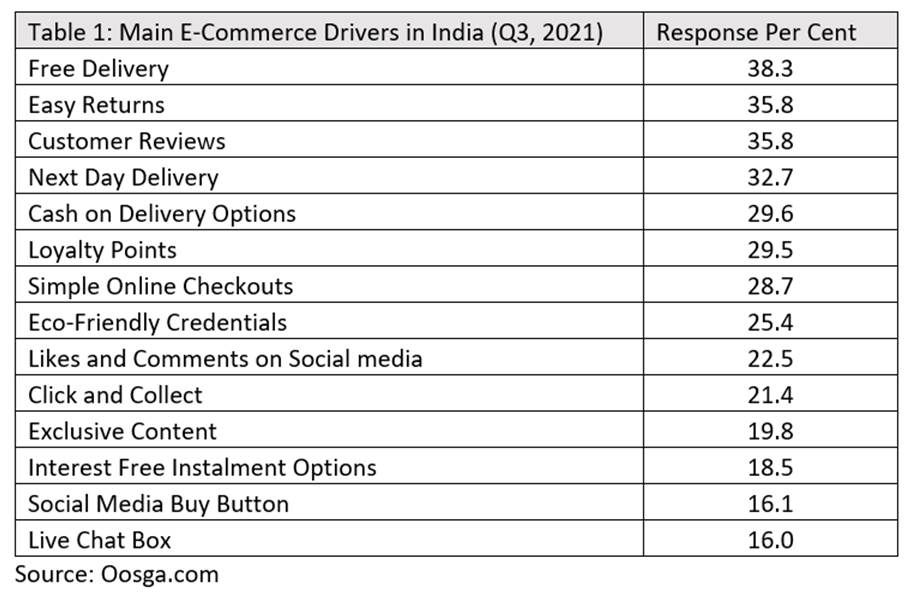
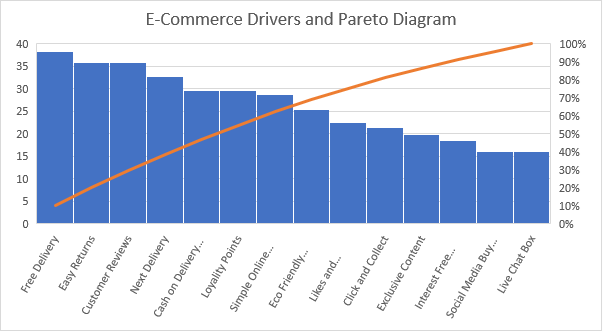
Free Delivery (38.3 per cent): Consumers appreciate not having to pay extra for shipping. Free delivery is a strong incentive for online shoppers.
Easy Returns (35.8 per cent): A hassle-free return process is essential for building trust and confidence in online shopping. Customers want the option to return products easily if they are not satisfied.
Customer Reviews (35.8 per cent): Reviews and ratings from other customers play a crucial role in influencing purchasing decisions. Positive reviews can boost trust in the product and the seller.
Next Day Delivery (32.7 per cent): Timely delivery is a significant factor in e-commerce. Consumers expect their orders to arrive quickly, and options for expedited or next-day delivery are appealing.
Cash on Delivery Options (29.6 per cent): Cash on delivery is a preferred payment method for many Indian consumers. It offers a sense of security, allowing customers to pay upon receiving the product.
Loyalty Points (29.5 per cent): Loyalty programmes and points encourage repeat business. They reward customers for their loyalty and incentivise them to shop more with the same retailer.
Simple Online Checkouts (28.7 per cent): A streamlined, and user-friendly checkout process can reduce cart abandonment rates and enhance the overall shopping experience.
Eco-Friendly Credentials (25.4 per cent): Environmentally conscious consumers may be attracted to e-commerce platforms that emphasise eco-friendly practices, such as sustainable packaging and reduced carbon footprint.
Likes and Comments on Social Media (22.5 per cent): Social media engagement can influence purchasing decisions. Positive interactions and recommendations on social platforms can drive traffic to e-commerce websites.
Click and Collect (21.4 per cent): The option to order online and pick up items in-store is convenient for many shoppers, especially for those who prefer not to wait for home delivery.
Exclusive Content (19.8 per cent): Exclusive products, deals, or content can create a sense of exclusivity and drive customer engagement.
Interest-Free Instalment Options (18.5 per cent): Offering instalment payment options can make products more affordable and accessible to a broader range of consumers.
Social Media Buy Button (16.1 per cent): Integrating buy buttons on social media platforms enables seamless shopping directly from social posts.
Live Chat Box (16.0 per cent): Live chat support provides real-time assistance to customers, addressing their inquiries and concerns during the shopping process.
These drivers demonstrate the importance of a holistic approach to e-commerce, where factors like convenience, trust, customer feedback, and innovative payment options all contribute to a positive shopping experience and, in turn, drive growth in the e-commerce sector in India.
Number Game and Situational Advantage1
India’s e-commerce market has seen remarkable growth and reflects the changing retail landscape in the country. Here are some key takeaways:
Rapid Market Expansion: India’s e-commerce market has expanded rapidly, climbing to the 8th largest globally in FY2020 with a turnover of $50 billion. This growth is attributed to factors such as rising disposable incomes, increased smartphone usage, and the popularity of online shopping apps.
Projected Growth: The projection of having 350 million online shoppers in India by FY2026 highlights the immense potential for further growth in the e-commerce sector. As more people gain internet access and trust in online transactions, the market is expected to continue expanding.
Diverse Product Offerings: E-commerce platforms in India are offering a wide range of products and services, catering to various consumer needs. This diversity of offerings has contributed to the sector’s growth.
Year-on-Year Growth: The year-on-year growth figures are impressive. Despite challenges in FY2020, there was a substantial 140 per cent increase in e-commerce sales. This growth has continued in subsequent years, with FY2022 reaching $49 billion and FY2023 seeing a gross merchandise value of $60 billion.
COVID-19 Impact: The COVID-19 pandemic accelerated the adoption of e-commerce in India as people turned to online shopping for safety reasons. This shift in consumer behaviour has had a lasting impact on the industry.
Supply Chain Challenges: Despite supply chain challenges, the e-commerce sector has managed to thrive. Investments in logistics and delivery infrastructure have played a crucial role in overcoming these challenges.
Competitive Landscape: The presence of various e-commerce players, both established ones like Amazon and Flipkart and new entrants, has intensified competition in the market, ultimately benefiting consumers with more choices and competitive pricing.
Consumer Preference and Adaptability: The growth of India’s e-commerce market is a testament to the evolving preferences of Indian consumers and the resilience and adaptability of the industry. It will be interesting to see how the market continues to evolve in the coming years, especially with the ever-changing technological landscape and consumer behaviour.
Contactless Payments: Contactless payment methods, including mobile wallets and digital payment apps, gained popularity due to their convenience and hygiene benefits.
Hybrid Shopping: Many consumers have adopted a hybrid shopping approach, combining online and offline experiences. They may research products online before making in-store purchases or vice versa.
Ongoing Shift: These shifts in consumer behaviour are expected to continue even as the pandemic recedes. Consumers have experienced the convenience and advantages of these new habits and are likely to maintain them to some extent.
In summary, the pandemic accelerated trends that were already underway, such as the growth of e-commerce and the digitalisation of various aspects of life. These changes are expected to have a lasting impact on how people consume, work, and live in the post-pandemic world. Companies and industries that adapt to these new realities are likely to thrive in this evolving landscape.
Conclusion
E-commerce will continue to expand globally, with businesses targeting international markets. Cross-border trade will become more accessible, and local marketplaces will emerge in various regions. Artificial intelligence (AI) will continue to play a significant role in e-commerce. Retailers will use AI to understand customer preferences, predict buying behaviour, and offer personalised recommendations. Chatbots and virtual assistants will provide better customer service. With the increasing popularity of smart speakers and voice assistants like Amazon’s Alexa and Google Assistant, voice commerce is expected to grow. Consumers will be able to make purchases using voice commands. The future of e-commerce and retail will be marked by continuous technological advancements, increased personalisation, sustainability, and a seamless integration of online and offline shopping experiences. Adaptability and a focus on customer needs and preferences will be crucial for businesses in this evolving landscape.
Notes and References:
1: https://doi.org/10.37745/bjmas.2022.0081; A Study of Growth of E-Commerce Business of Indian Post-Pandemic Era: An Overview; British Journal of Multidisciplinary and Advanced Studies.
2: https://oosga.com/e-commerce; E-Commerce Market Outlook & Retail Trends in 2023

 (1)20251211140147.jpg)



Comments