




20251208124546.jpg)

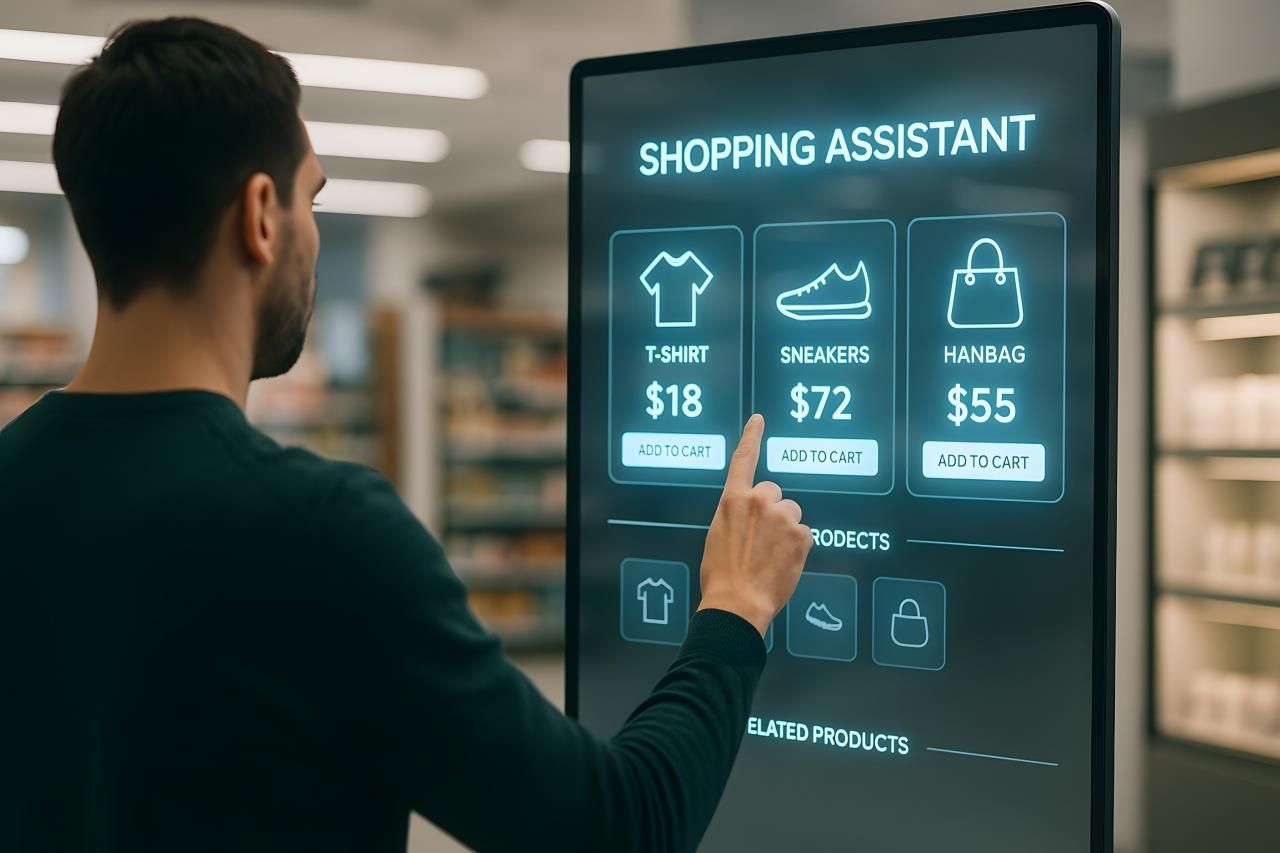

The fashion industry stands at the intersection of creativity and technology, where digital innovation is no longer a backstage function but a front-row driver of consumer experience. Among the most transformative developments is the rise of AI shopping assistants—intelligent systems that guide, personalise, and even execute purchasing decisions on behalf of users. These agents are redefining the traditional retail model by offering real-time recommendations, understanding nuanced preferences, and facilitating seamless transactions across platforms.
As fashion consumers increasingly seek convenience, personalisation, and relevance, AI assistants are stepping in as digital stylists, curators, and concierges. Their ability to interpret natural language, analyse behavioural data, and respond with tailored product suggestions is reshaping how brands engage with audiences. From luxury e-commerce to fast fashion apps, AI is becoming a strategic asset, not just for operational efficiency, but for emotional resonance and brand loyalty.
This article explores the emergence of AI shopping assistants in fashion retail, their technological foundations, market impact, and the evolving role they play in shaping consumer behaviour and brand strategy.
How AI Shopping Assistants Work in Fashion
AI shopping assistants in fashion operate through a sophisticated blend of machine learning, Natural Language Processing (NLP), and real-time data integration. These systems are engineered to interpret user intent, analyse preferences, and deliver personalised product recommendations with remarkable precision.
At the core of their functionality is Natural Language understanding, which enables users to interact conversationally by describing occasions, style preferences, budgets, or even emotional tones. For instance, a user might say, “I’m looking for a confident, minimalist outfit for a pitch meeting,” and the assistant will parse this input to suggest tailored options that match both aesthetic and functional criteria.
These assistants leverage user data and behavioural analytics, including past purchases, browsing history, saved items, and even social media engagement, to build dynamic style profiles. Advanced systems also incorporate visual recognition and image-based search, allowing users to upload photos or screenshots and receive similar product suggestions across brands and price points.
On the backend, AI agents integrate with retail databases, inventory systems, and e-commerce platforms, ensuring that recommendations reflect real-time availability, sizing, and shipping options. Some assistants are further enhanced by collaborative filtering algorithms, which compare user behaviour with similar profiles to surface trending or complementary items.
In fashion-specific contexts, AI assistants are trained on style taxonomies, seasonal trends, and brand-specific nuances, enabling them to distinguish between “boho chic” and “urban minimalist,” or to recommend fabrics suitable for tropical climates versus winter layering.
Ultimately, these systems function as intelligent intermediaries between consumers and fashion ecosystems, streamlining discovery, enhancing decision-making, and elevating the overall shopping experience.
How AI Is Powering Personalised Shopping
Forget endless scrolling and clunky filters. Today’s shoppers are engaging with AI assistants through natural language by asking questions, describing occasions, and receiving curated suggestions in seconds.
Personalisation has become a cornerstone of modern fashion retail, and artificial intelligence is now the engine driving it forward. By leveraging Conversational AI and Generative AI, brands are able to deliver tailored experiences that reflect individual preferences, behaviours, and contexts—at scale.
Conversational AI
Conversational AI enables users to interact with shopping platforms through natural language, transforming static search into dynamic dialogue. These systems use advanced Natural Language Processing (NLP) to interpret queries that go beyond keywords—capturing tone, intent, and emotional nuance.
For example, a user might say: “I’m looking for something elegant but low-maintenance for a business trip to Singapore.”
Rather than returning generic results, the AI assistant understands the occasion, climate, and style preference, and recommends breathable, wrinkle-resistant garments in a refined aesthetic. It may also suggest complementary accessories, travel-friendly footwear, and local store availability.
Generative AI
Generative AI adds a creative layer to personalisation by producing original content, ranging from product descriptions and styling tips to personalised lookbooks and outfit combinations. These models analyse user data, fashion trends, and brand aesthetics to generate recommendations that feel bespoke.
In fashion retail, Generative AI can:
- Curate outfits based on wardrobe gaps, seasonal needs, or upcoming events
- Generate personalised marketing emails with product suggestions tailored to browsing history
- Create dynamic product imagery or virtual try-ons that reflect the user’s body type and style preferences
- Assist in co-creation, allowing users to customise garments or accessories with AI-guided design input
Together, Conversational and Generative AI form a powerful ecosystem that transforms shopping from a transactional activity into a personalised journey. They enable brands to move beyond segmentation towards true individualisation, where every interaction feels relevant, responsive, and emotionally resonant.
The Numbers: Why Fashion Cannot Ignore AI
The adoption of AI shopping assistants in fashion is no longer a futuristic concept. It is a present-day imperative backed by compelling data. As of 2025, 43 per cent of US adults are aware of AI shopping assistants, with Gen Z and millennials leading the charge in usage.1 These intelligent agents are proving their worth by reducing decision-making time by up to 60 per cent, according to Capgemini, and boosting conversion rates by 30–50 per cent when integrated into the shopping journey. Retailers leveraging AI assistants also report a 20 per cent increase in average order value, thanks to smarter upselling and personalised bundling. With the global market for AI shopping assistants projected to reach $22.1 billion by 2032,2 fashion brands that ignore this shift risk falling behind in both customer engagement and revenue growth.
Fashion retailers using AI assistants report lower cart abandonment and higher customer satisfaction, especially among Gen Z and millennial shoppers. These younger demographics, who value speed, personalisation, and digital fluency, are increasingly shaping the future of retail expectations. Moreover, AI-driven personalisation is not only improving immediate sales metrics but also fostering long-term brand loyalty by creating shopping experiences that feel personal and emotionally resonant.
Fashion Brands Leading the AI Revolution
From luxury houses to fast fashion giants, AI is becoming a core part of the customer experience:
- Zalando’s AI stylist: This offers full outfit suggestions based on occasion, weather, and personal style. Beyond simple recommendations, it integrates seasonal trend data and sustainability filters, ensuring that customers receive options aligned with both fashion relevance and ethical values. This makes Zalando’s platform feel less like a store and more like a personal stylist available on demand.
- Gucci’s digital concierge: This recommends accessories based on the existing wardrobe and upcoming events. It goes further by analysing purchase history and preferred aesthetics, offering curated luxury pieces that complement existing collections. Gucci strengthens its positioning as a brand that understands both heritage and modern consumer expectations by blending exclusivity with personalisation.
- H&M’s chatbot: This helps users find outfits for specific occasions, complete with size and store availability. It also integrates with local inventory systems, ensuring that recommendations are not only stylish but practical and immediately accessible. This functionality bridges the gap between online browsing and in-store shopping, enhancing convenience for fast-fashion customers.
- Net-a-Porter’s “Try It On” AI: This uses virtual try-ons and AI feedback to refine fit and style suggestions. The system leverages augmented reality to simulate how garments will look on different body types, reducing uncertainty and return rates. Net-a-Porter delivers a premium digital experience that mirrors the exclusivity of its brand by combining technology with luxury curation.
Even influencer marketing is evolving. AI agents analyse social media aesthetics and recommend products that match a user’s vibe. This capability bridges the gap between inspiration and purchase, allowing consumers to move seamlessly from admiring a look on Instagram to owning a curated version of it in their wardrobe. By combining personalisation, convenience, and creativity, AI shopping assistants are redefining the retail journey, transforming fashion from a transactional experience into a deeply tailored and emotionally resonant one.
What’s Next: Autonomous Fashion Agents
The next evolution of AI shopping assistants lies in their transition from reactive tools to proactive, autonomous agents. These systems are being designed not merely to respond to queries, but to anticipate consumer needs and act on their behalf, offering a seamless, intelligent shopping experience that mirrors the attentiveness of a personal stylist.
In the near future, autonomous fashion agents will be capable of:
- Monitoring preferred designers and brands, notifying users of new collections, limited-edition drops, and exclusive sales. This functionality ensures that fashion enthusiasts remain connected to their favourite labels without constant manual browsing. It also allows brands to cultivate exclusivity and loyalty by delivering timely, personalised alerts that feel curated rather than promotional.
- Understanding sizing across multiple labels, recommending garments that align with the user’s fit profile and past purchases. These agents can minimise the frustration of inconsistent sizing across brands by analysing historical data and leveraging AI-driven fit prediction models. This not only reduces return rates but also builds consumer confidence in online shopping, which is a critical factor in fashion e-commerce growth.
- Managing post-purchase logistics, including returns, exchanges, and even wardrobe organisation based on seasonal trends or lifestyle changes. Such capabilities transform AI assistants into end-to-end service providers, ensuring that the shopping journey extends beyond checkout. Brands can enhance customer satisfaction while reducing operational inefficiencies by automating these processes.
- Curating selections based on contextual data, such as calendar events, travel itineraries, weather forecasts, and personal style preferences. This level of personalisation allows AI agents to anticipate needs in advance, offering suggestions that are not only stylish but situationally relevant. For example, recommending breathable fabrics for tropical travel or layering essentials for winter holidays creates a sense of thoughtful, human-like guidance.
 (1)20251211140147.jpg)


Comments