What is Polyester Fabric? Top 10 Benefits for Garment Manufacturers and the Apparel Industry
Polyester is among the most extensively utilized synthetic fabrics in the global textile and apparel landscape. Valued for its durability, cost-efficiency, and adaptability, polyester fibre has become a staple in garment production. Its ability to meet diverse manufacturing needs has helped it maintain a stronghold in the industry, offering consistent performance across a wide range of clothing applications.
In this article, we explore what polyester fabric is and outline the top 10 benefits it offers to garment manufacturers and the wider apparel industry.
What is Polyester Fabric?
Polyester is a synthetic textile fibre made primarily from petroleum-based products through a chemical process called polymerization. First introduced in the 1940s, polyester textiles have evolved to become a major part of both fashion and functional wear due to their durability, wrinkle resistance, and quick-drying properties. Modern polyester textiles can also be blended with natural fibres like cotton to enhance comfort while preserving their inherent strength. Additionally, the rise of recycled polyester (rPET) made from plastic bottles is transforming polyester textiles into an eco-friendlier option, aligning with the demands of today’s sustainable fashion landscape.
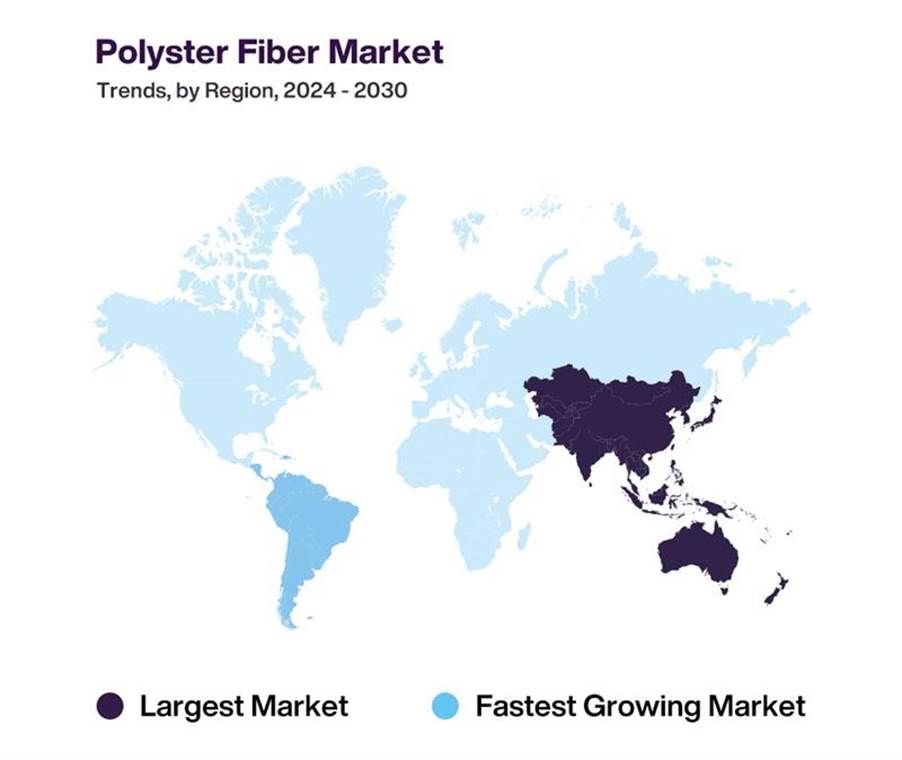
Polyester fabric is mostly produced in countries with strong textile manufacturing infrastructure, particularly China, India, South Korea, and Taiwan. China leads the world in polyester production, accounting for a significant share of global output due to its large-scale factories, technological advancements, and cost-effective labour. India also plays a major role, with several large polyester textile manufacturers catering to both domestic and international markets.
The popularity of polyester stems from its many advantages for both garment manufacturers and consumers.
Top 10 Benefits of Polyester Fabric for Garment Manufacturers -
1. High Durability
Polyester is incredibly strong and resistant to wear and tear, making it ideal for everyday garments, uniforms, sportswear, and workwear.
2. Wrinkle and Shrink Resistance
Garments made from polyester retain their shape & structure, eliminating the need for excessive ironing and reducing shrinkage during washes.
3. Cost-Effective Material
Compared to natural fibres like silk or wool, polyester is more affordable, enabling manufacturers to reduce production costs without compromising quality.
4. Moisture-Wicking and Quick-Drying
Polyester excels in moisture management, making it ideal for activewear & performance garments where sweat absorption and quick drying are essential.
5. Lightweight and Comfortable
Despite its strength, polyester is lightweight and can be blended with other material like cotton to enhance breathability & comfort for end users.
6. Colour Retention and Fade Resistance
Polyester holds dyes exceptionally well, ensuring garments remain vibrant and attractive even after repeated washing.
7. Versatility in Fabrication
From woven to knitted textiles, polyester can be processed into various textures and finishes. This makes it ideal for a range of fashion and functional applications.
8. Low Maintenance
Polyester garments are easy to wash, quick to dry, and resistant to most stains, making them low maintenance for consumers and retailers alike.
9. Scalability for Mass Production
Polyester's synthetic nature allows for consistent quality and mass production, which is a huge advantage for
B2B garment manufacturers and wholesalers.
10. Eco-Friendly Alternatives with Recycled Polyester
With growing concerns over sustainability, recycled polyester (rPET) has emerged as a popular, environmentally friendly alternative that supports circular fashion initiatives.
|
Specifications |
Details |
|
Market Size Value (2024) |
USD 125.38 billion |
|
Revenue Forecast (2030) |
USD 191.57 billion |
|
Growth Rate |
CAGR of 7.3% from 2024 to 2030 |
|
Pricing Forecast |
VISIT - TEXPRO tool. |
For accurate pricing data of polyester, go here -
Why the Apparel Industry Relies on Polyester
Polyester is more than just a cost-effective alternative to natural fibres like cotton or wool. It’s a powerhouse in modern textile manufacturing. From high-performance sportswear to everyday fashion, the fabric’s adaptability and efficiency make it an indispensable material for both small garment businesses and large-scale apparel brands. Platforms like Fibre2Fashion play a vital role in this space by offering in-depth insights, market trends, and B2B solutions tailored to polyester and other key textiles.
With innovations in smart textiles, blended fabrics, and sustainable polyester production, this fabric continues to evolve with changing market needs and consumer preferences. Fibre2Fashion actively supports stakeholders in the polyester industry through its marketplace, market intelligence, research, and other knowledge resources.
Conclusion
Polyester fabric offers garment manufacturers and apparel businesses a winning combination of durability, versatility, and cost-effectiveness. Even as the industry shifts towards sustainable production and advanced textile innovation, polyester remains a cornerstone for fashion brands worldwide.
For manufacturers seeking scalability, quality, and adaptability in production, polyester continues to be a top choice.
Want to Get the Latest Updates About Polyester? Visit the Fibre2Fashion website.
Read textile fibre article click here -
Textile Fibres of the Future: Sustainable Innovations in Fashion.