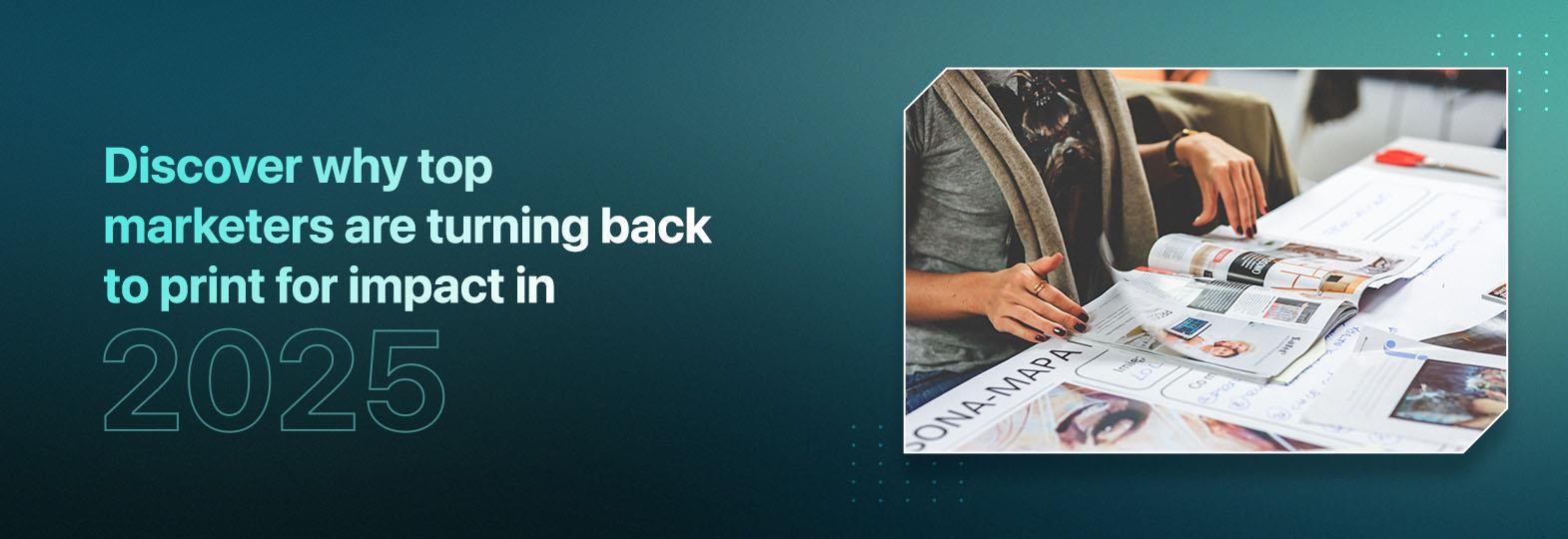
In today’s digitally dominated world, ruled by scrolls, taps, swipes, and skips, most marketers may consider print media an obsolete marketing technique. But here’s the twist. CMOs, worldwide, have once again started using print media in their marketing mix. This renewed interest is especially strong in print advertising for textile industry players who rely on tactile engagement to influence buying. They are increasingly leveraging this traditional advertising technique to broaden their marketing scope and accomplish even better outcomes. However, what are the factors driving this shift towards print advertising for brands? As a marketer yourself, if you’ve been wondering about this, here’s the answer that discusses the benefits of magazine ads in modern marketing.
1. Print Brings Fabrics Closer than Digital
Most products associated with the textile, furnishing, or décor industry are a tactile experience. Thus, whether you advertise fabric swatches or your latest apparel line, audiences prefer more than just one screen to experience them. Fundamentally, they want to feel the product through texture, tone, and visual richness.
Print media fulfils these expectations better than its digital counterpart. It influences the buying decisions of B2B buyers, sourcing heads, designers, etc., whom CMOs usually target. That's why magazine ads for B2B marketing in textile are making a comeback they deliver a sensory experience digial formats cannot.
2. Targeted Magazine Ads Build Brand Prestige
Luxury textiles, premium interior fabrics, or artisan dyes benefit in terms of engagement when the ad that showcases them delivers an elevated experience. For example, a carefully curated and printed magazine or seasonal brochure can deliver more than just information. It can deliver a sense of prestige and credibility with a rich ad that places the brand in the league of premium players in its domain.
3. Print Establishes Direct Connection with Niche B2B Segments
Niche B2B domain players like textile chemical manufacturers, dye-makers, or finishing technology providers often connect more effectively through print media. Because print media, like Fibre2Fashion magazine, enable CMOs to directly connect with decision-makers, R&D heads, and procurement teams. It helps marketing chiefs target these segments more relevantly and drive better outcomes.
4. Print Is Regaining Credibility in a Noisy Digital World
There are millions of ads floating across the digital cosmos at a given moment. And what’s even more overwhelming is that these ads keep popping up from nowhere on your screen! While some ads are genuinely relevant, you are usually clueless about most others. You don’t even notice them, so forget engaging with them. This is where print ads stand out!
Printed material feels more intentional and curated. It isn’t something that users or buyers see as a hassle. While viewing a magazine ad, users get enough time to read the content, enjoy the visuals, and connect with the brand. The exclusive user attention that such ads get helps enhance engagement and build trust.
Now, as a marketer, if you want to launch a new sustainable fabric range, you can leverage the print media to highlight your certifications, quality benchmarks, and provenance stories more comprehensively. It offers the space and bandwidth to showcase your offerings proudly and prominently.
5. Print Tells Better Stories
This is another reason why CMOs use print advertising.
The textile and fashion industry has numerous players with rich histories, legacies, and heritages that serve as unique marketing and selling points. As a marketer of one such company, you will usually choose the digital medium to advertise your employer’s legacy. But while harnessing the power of digital channels, you must not ignore print. Why?
Print offers the space and permanence to tell such intriguing stories comprehensively, fostering a more profound connection with your audiences. Digital ads also offer opportunities to do that. But unfortunately, users have a very short attention span while looking at a digital ad. Hence, your story may not reach them fully. Besides, stories published in a glossier and more tactile format resonate better.
Print + Digital - CMOs Are Rethinking the Marketing Mix for Better ROI
In today’s fast-paced digital age, print media alone cannot work wonders. Instead, combining it with digital media can help amplify your marketing efforts and enhance experiences. For example, as the marketer of a fashion house, you can integrate QR codes with your printed catalogues to drive the reader to an eCommerce site, your website, or an interactive video that brings them closer to your offerings.
Unleash the Power of Print Media with Fibre2Fashion!
Need a reliable platform to drive engagement through printed media? Then Fibre2Fashion is the right choice for you. It is a platform that serves niche industries, including textiles, fabrics, fashion, home décor chemicals, and dyes, offering them targeted exposure and helping them specifically reach the intended audience. However, Fibre2Fashion also uses the omni-channel approach to allow brands to integrate their print efforts with the digital ones, driving leads, measuring interest, and maximizing ROI.
Want to understand why print continues to hold its ground in today’s digital-first era? Read our detailed take on why print advertising still matters.