




20251208124546.jpg)

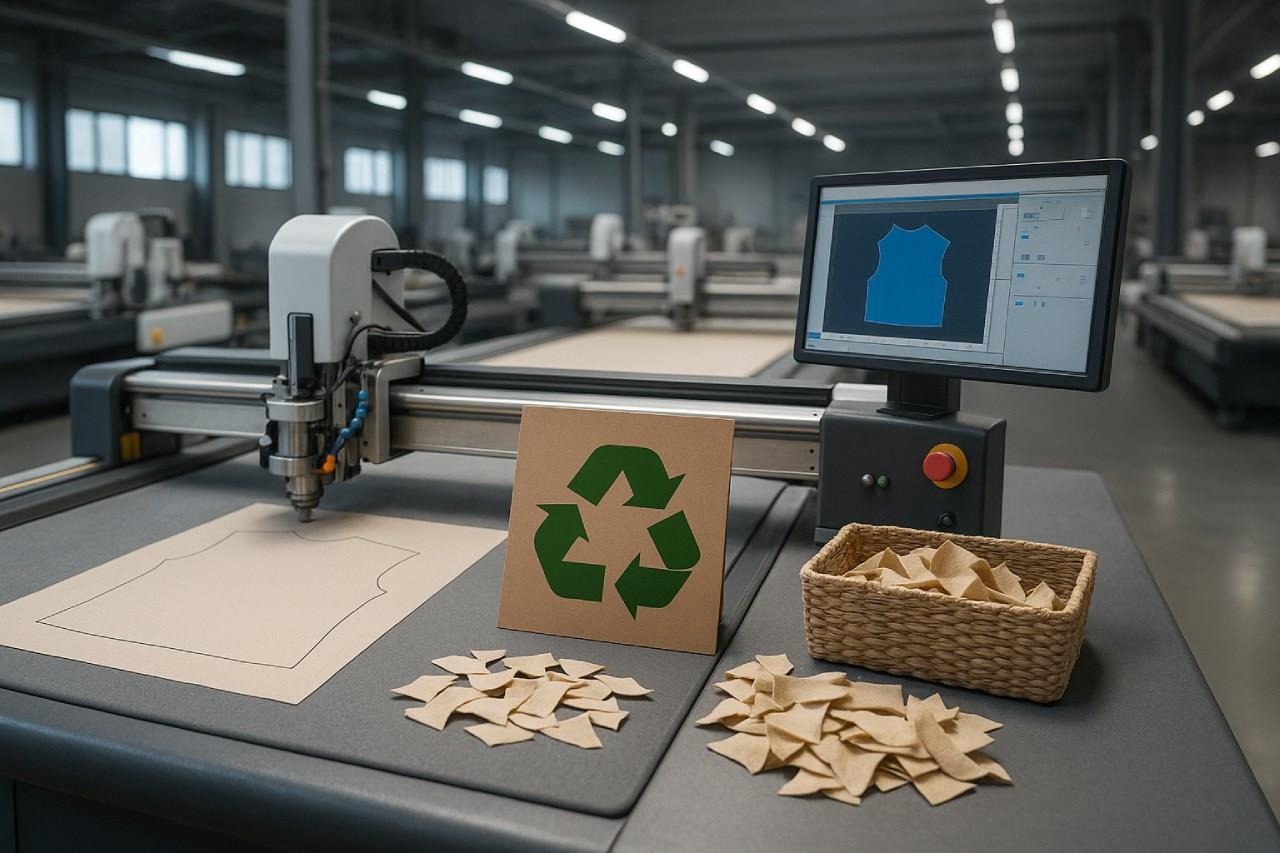

Zero-waste clothing is no longer a niche concept reserved for experimental designers or small-batch sustainable labels. As the fashion industry faces immense pressure to reduce its environmental footprint, the idea of producing garments without generating textile waste has transformed from an environmental ideal into a strategic necessity. In 2026, zero-waste fashion is expected to evolve from an emerging conversation into a concrete movement reshaping supply chains, consumer expectations, and brand identities. The future of apparel will be more intentional, circular, and innovation-driven than ever before.
For decades, the dominant model of fashion production has been linear: take, make, use, discard. This system has not only overwhelmed landfills but has also put immense strain on natural resources. Today, an estimated 92 million tonnes of textile waste is produced globally each year, much of which comes from the cutting room floor long before a garment ever reaches a store. As climate change accelerates and consumers demand higher accountability, the urgency to adopt zero-waste practices has never been clearer.
What is Zero-Waste Fashion?
Zero-waste fashion is a design and production philosophy where every piece of fabric, fibre, or material is purposefully used. Nothing is discarded, and waste in the manufacturing process is designed out from the start. Unlike traditional pattern-cutting that can waste up to 30 per cent of material per garment, zero-waste design pushes creators to rethink silhouettes, layouts, and construction. It is not simply a method, but a mindset. It is a shift from convenience to creativity.
Zero-waste practices can include innovative pattern-making, draping techniques, smart cutting layouts, and even textile regeneration. When embraced holistically, this approach reduces the need for excess fabric, cuts down on energy and water consumption, and lowers overall emissions. For the modern fashion industry, zero-waste fashion represents an alignment between environmental responsibility and long-term economic resilience.
The philosophy also encourages a more ethical, thoughtful approach to clothing. Designers become problem-solvers, using technology, mathematics, and craft heritage to create garments that honour the full value of the material. In a world where sustainability narratives are often clouded by greenwashing, zero-waste design stands out as a transparent and measurable approach to reducing impact.
Innovations to Watch in 2026
In 2026, the zero-waste landscape is expected to be shaped by dynamic innovations, some of which are already in use, while others are on the brink of commercial growth. These are the developments that will define how brands reduce textile waste and reshape the future of fashion.
Modular Design
Modular clothing is one of the most promising solutions for reducing waste while increasing garment longevity. In modular fashion, garments are created as interchangeable parts: sleeves, collars, panels, pockets, or layers that can be swapped, repaired, or transformed into entirely new silhouettes. This design approach encourages consumers to buy fewer but more functional pieces, ultimately reducing waste at the user level.
In 2026, modular clothing is expected to expand beyond outerwear and performance wear into everyday categories like denim, workwear, and occasion-wear. Designers may create wardrobes where each piece evolves with the wearer’s needs, offering personalised expression without mass production. Modular fashion also supports upcycling: if a part wears out, it can be replaced instead of discarding the entire garment.
Digital Pattern-Making
Artificial intelligence and digital design tools are revolutionising how garments are planned. AI-powered pattern-making software can optimise fabric layouts down to the millimetre, ensuring minimal waste while maintaining design integrity. These tools can simulate thousands of cutting combinations in seconds, something human designers would take days to do manually.
In 2026, digital pattern-making is likely to be integrated more deeply with 3D body scanning, allowing brands to produce near-perfect fits and reduce returns, which are another major source of textile waste. The combination of AI, virtual sampling, and automated cutting will not only reduce material waste but also improve production accuracy and speed, making zero-waste methods more scalable for both small designers and large global brands.
Recycling and Upcycling Materials
Textile recycling technologies have made significant leaps in recent years. Mechanical and chemical recycling processes are improving in efficiency, enabling materials like cotton, polyester, viscose, and denim to be broken down and regenerated into new fabrics with quality comparable to virgin fibres.
In 2026, more brands are expected to be building their entire collections using post-consumer textile waste, industrial scraps, and leftover inventory. Startups focusing on fibre-to-fibre recycling, biodegradable textiles, and waterless dyeing will play a crucial role. Upcycling will move from artisanal studios to mainstream retail, supported by collaboration among recyclers, manufacturers, and brands.
On-Demand Manufacturing
Overproduction remains one of fashion’s biggest problems. Garments are often produced in bulk based on forecasting that rarely matches real demand, resulting in dead stock that frequently ends up incinerated or landfilled. On-demand manufacturing flips this model: clothing is produced only after it is ordered.
This model benefits zero-waste goals by eliminating unnecessary production and improving resource efficiency. In 2026, with automation and digital printing advancing rapidly, on-demand models will become more accessible for mid-size brands and even luxury houses. Smaller batches also allow designers to experiment with zero-waste patterns without worrying about inventory risks.
Biodegradable and Regenerative Materials
Another emerging arena is biodegradable textiles made from algae, fruit waste, seaweed, and other natural sources. Brands are already exploring materials like mycelium leather, banana fibre, and regenerated cellulose. These materials not only reduce waste but also break down naturally, addressing end-of-life impact.
In 2026, regenerative materials will likely gain commercial traction as consumers seek clothing with minimal environmental harm throughout its lifecycle. Combined with zero-waste cutting, these textiles promise a future where fashion no longer adds strain to landfills.
Why Zero-Waste Matters for the Future of Fashion
Zero-waste fashion represents more than an environmental benefit. It reflects a larger cultural shift in how people view consumption. Consumers today are more aware, more vocal, and more inclined to support brands aligning with their values. Social media, transparency tools, and sustainability certifications are driving accountability like never before.
In 2026, embracing zero-waste practices will become a brand differentiator. Companies that prioritise sustainability will gain trust, loyalty, and long-term consumer engagement. With younger generations preferring quality and durability over fast fashion, brands that ignore this shift risk losing relevance.
The economic implications are equally important. Reducing fabric waste directly lowers production costs, improves efficiency, and makes supply chains more resilient. Waste reduction strategies also help companies meet evolving global regulations on textile disposal, emissions, and ethical production.
Challenges on the Road to Zero Waste
Despite the momentum, the journey towards zero-waste fashion is not simple. Several challenges still stand in the way of widespread adoption.
First, zero-waste pattern-making requires specialised design skills that not all creators possess. Fashion schools and design institutions are just beginning to integrate circularity into their curriculum, which means trained zero-waste designers remain limited in number.
Second, transitioning to new technologies like AI software, digital sampling, textile recycling units, and modular design systems requires investment. Smaller brands may struggle with the upfront costs, even if the long-term benefits are significant.
Manufacturing infrastructure also needs rethinking. Zero-waste designs often require different cutting layouts, machinery adjustments, or sewing techniques. Many factories operate on time-sensitive, high-volume workflows, making it difficult to adopt experimental methods without training and planning.
Consumer education is another factor. While interest in sustainable fashion is growing, many shoppers still prioritise trends, affordability, and convenience. Brands will need to communicate the value of zero-waste garments not only as clothing, but as meaningful, long-term investments.
However, these hurdles are not insurmountable. The rise of collaboration among designers, technologists, manufacturers, and environmental experts is accelerating solutions. Governments are implementing stricter regulations, and industry leaders are openly investing in circular economy initiatives. With the pace of innovation increasing, the shift towards zero-waste fashion appears not only possible, but inevitable.
A New Era of Conscious Creativity
Zero-waste fashion is reshaping the future of the industry by challenging traditional norms and encouraging innovative thinking. It urges designers to become engineers, problem-solvers, and eco-visionaries. It encourages consumers to buy smarter and choose longevity over impulsive trends. And it pushes brands to adopt transparency, responsibility, and long-term sustainability strategies that benefit both people and the planet.
As fashion moves deeper into the next decade, it will be defined by its ability to balance style with sustainability. Zero-waste clothing is a step towards that balance. The innovations emerging today, whether digital, modular, regenerative, or on-demand, are paving the way for a future where waste is no longer seen as inevitable but as entirely avoidable.
In 2026, zero-waste fashion will not be a trend but a transformative force. It will expand across design studios, factories, retail experiences, and wardrobes. It promises a world where creativity and responsibility coexist, where clothing is crafted with intention, and where sustainability is not an afterthought but the foundation of modern fashion.
 (1)20251211140147.jpg)


Comments